Table of Contents
7. Kabuki
In terms of theater and spectacle while you’re traveling in Japan, you can’t go past the opportunity to see a kabuki performance. Characterized by costumes and acting that are equally OTT as each other, this traditional art form dates back to the Edo Period, when it was originally performed by an all-female cast. Still popular today, modern kabuki differs from its historical counterpart with its solely male cast, but the storylines, often drawn from history or myth, provide valuable insights into Japanese culture – as well as being highly entertaining in their own right. Performances typically last a few hours, although there are several intervals during which you can digest what you’ve seen and heard before the next instalment.

8. Kiyomizu-dera
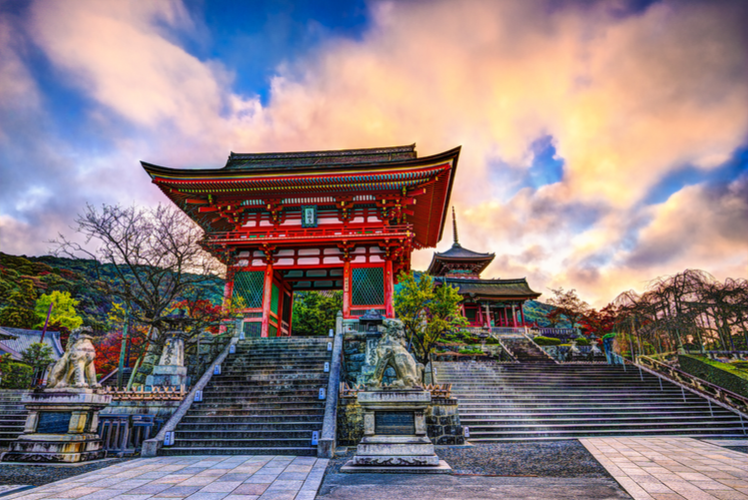
One of the most celebrated temples in Japan, Kiyomizu-dera was added to the list of UNESCO World Heritage sites in 1994. Originally founded in 780 in the thickly wooded hills just east of Kyoto, its name translates as “Pure water Temple’, a name derived from the sparkling waters of the Otowa Waterfall by which it is placed. The temple formed its own sect in 1965, having originally been associated with the Hosso sect, one of the oldest schools of Japanese Buddhism – but tourists are as enthralled by gorgeous views from the veranda as by its history. You can sample the fall’s pure waters for yourself but be careful to drink from only one stream; it is believed that drinking from all three will result in none of your wishes being granted.