Table of Contents
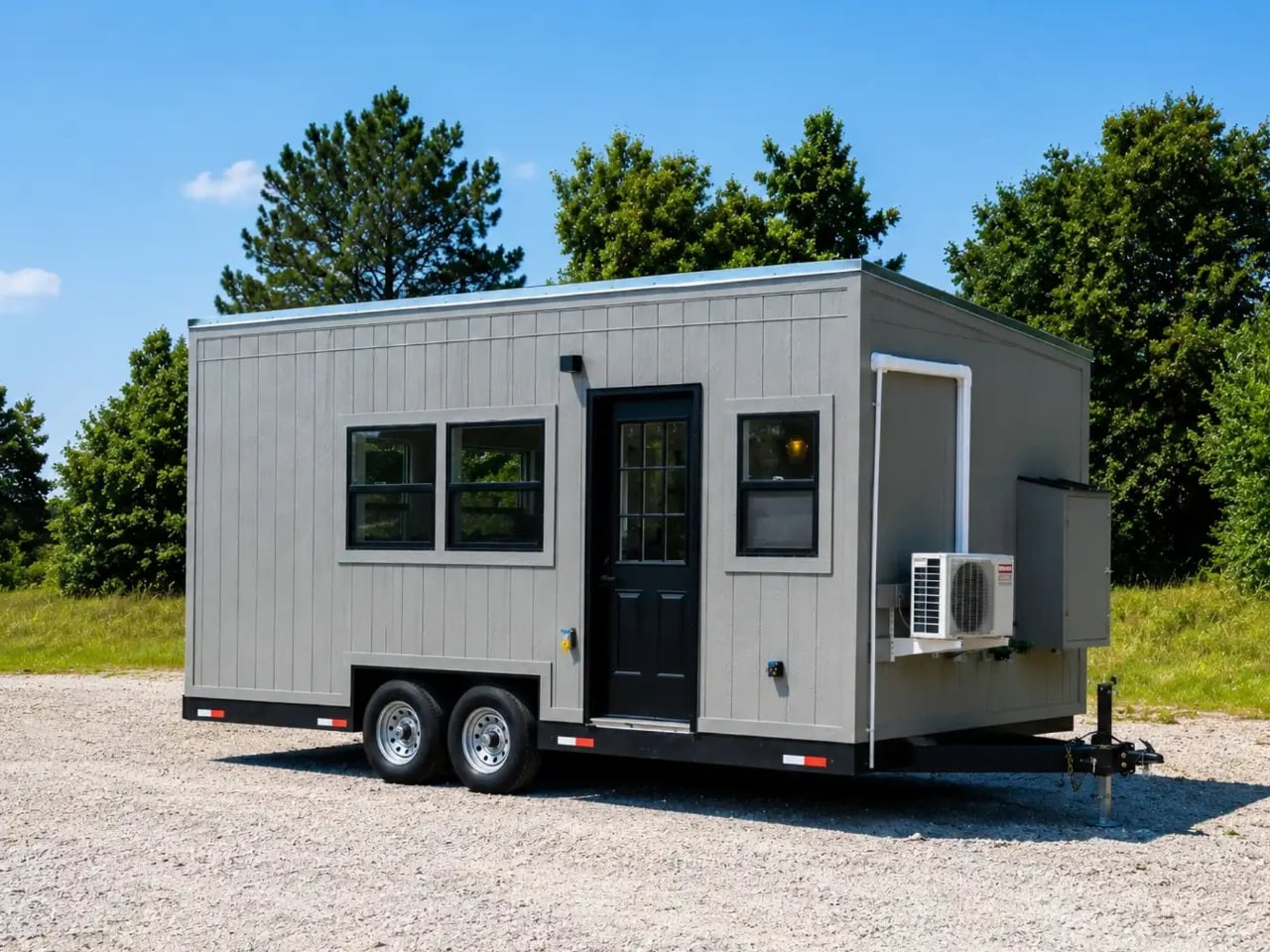
The tiny home movement has been having its moment for years now, and yet every time I think it has peaked, something like the Fairfax 20 shows up and reminds me why people keep choosing to go smaller. Dragon Tiny Homes’ latest model is a 20-foot, single-floor build priced at $33,700, and it’s the kind of design that makes you stop scrolling and actually look.
Let me be clear upfront: I’m not a full-time tiny house convert. I like my closet space too much. But I can recognize good design when I see it, and the Fairfax 20 has it. The whole point of this build is simplicity, and Dragon Tiny Homes committed to that idea without flinching.
Designer: Dragon Tiny Homes
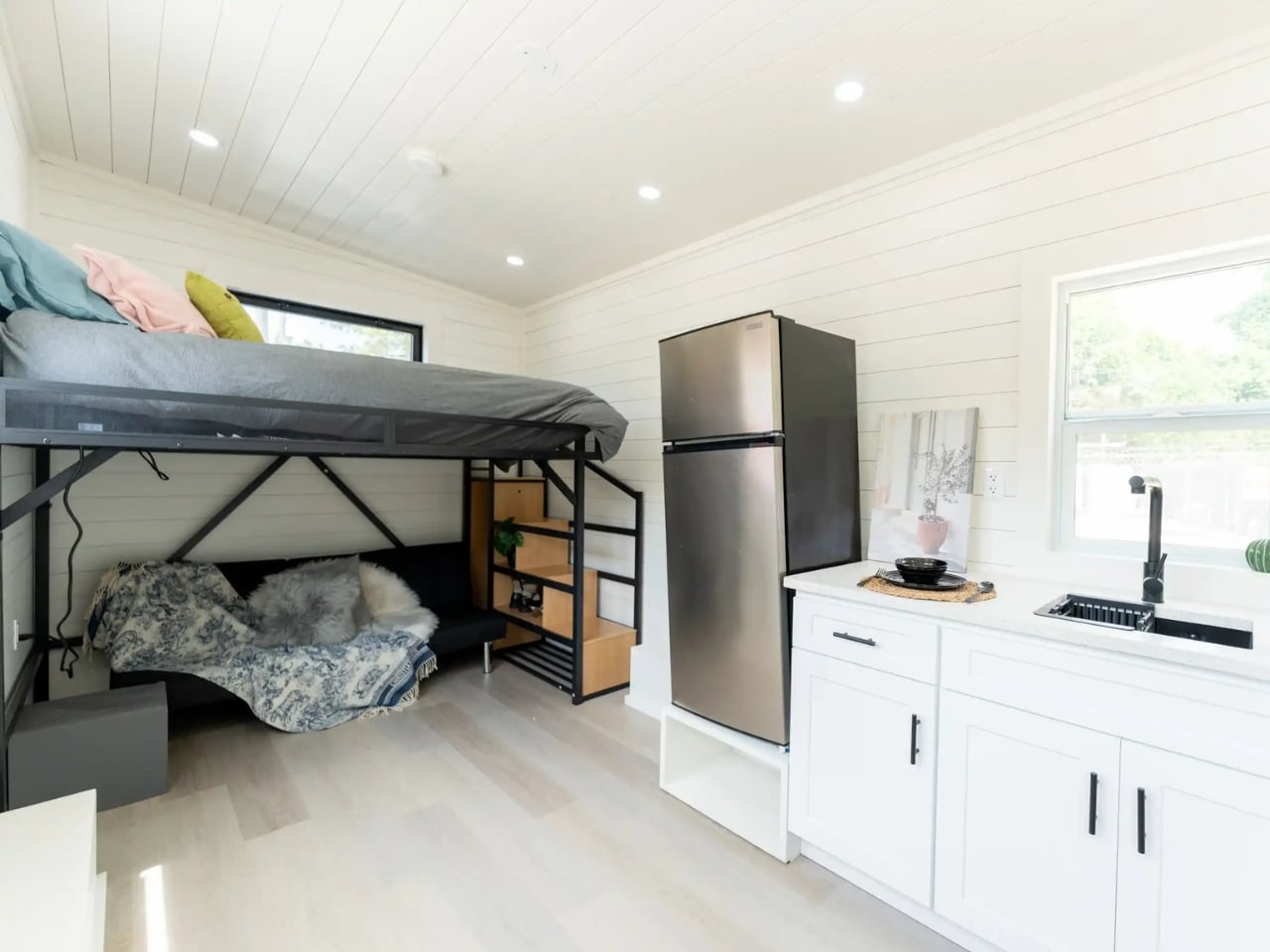
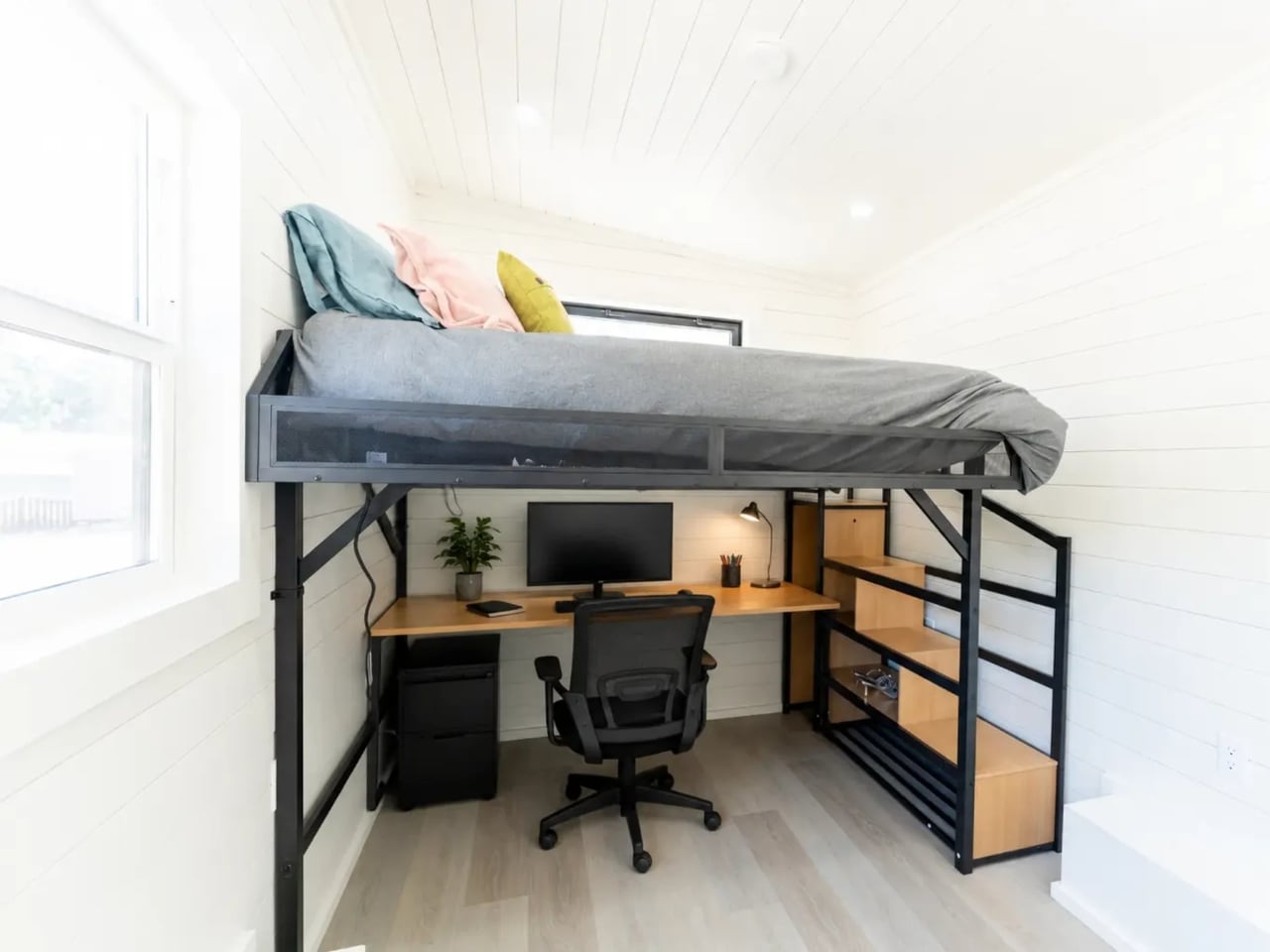
At 170 square feet on a single floor, the Fairfax 20 bets on a layout that feels more intuitive than most compact homes do. There’s a lofted sleeping area, but the overall design resists the urge to stuff extra function into every vertical inch. The flow is horizontal and intentional, which sounds unremarkable until you walk through a tiny home that got it wrong. Many compact builds feel like puzzle boxes where everything is technically possible but nothing is quite effortless to live with. The Fairfax 20 leans into clarity instead, and the space breathes because of it. That’s a harder design problem to solve than it looks.
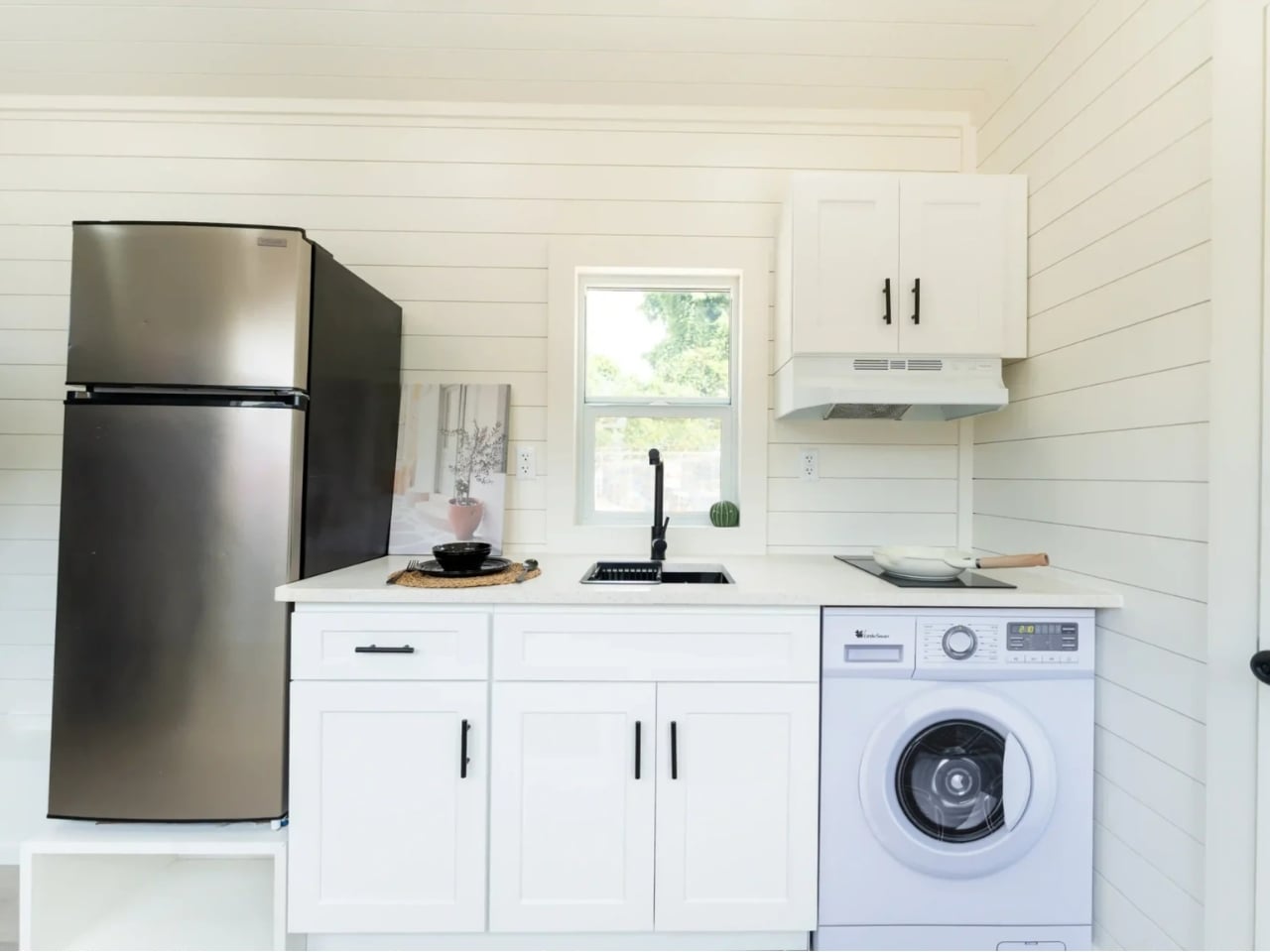
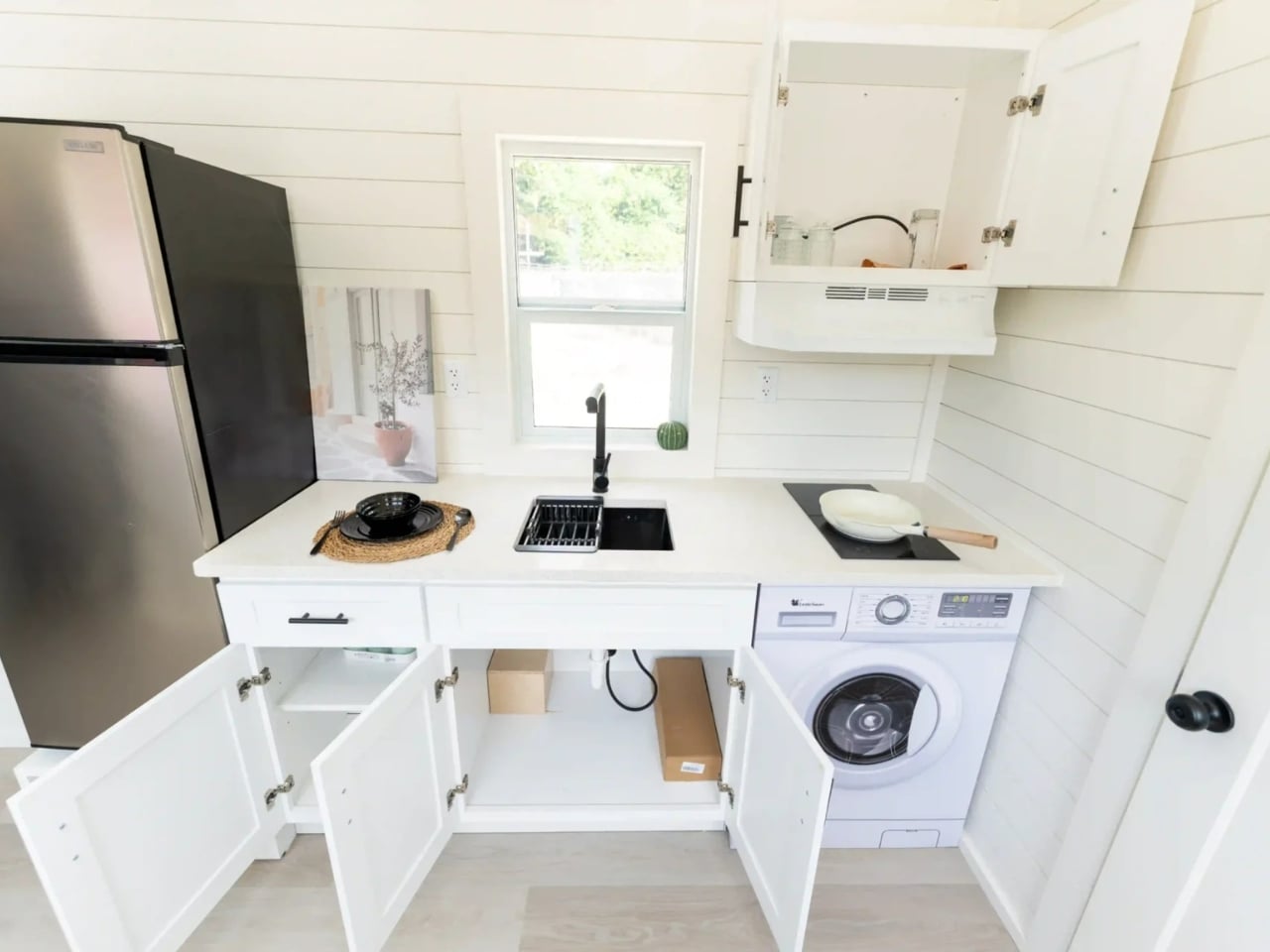
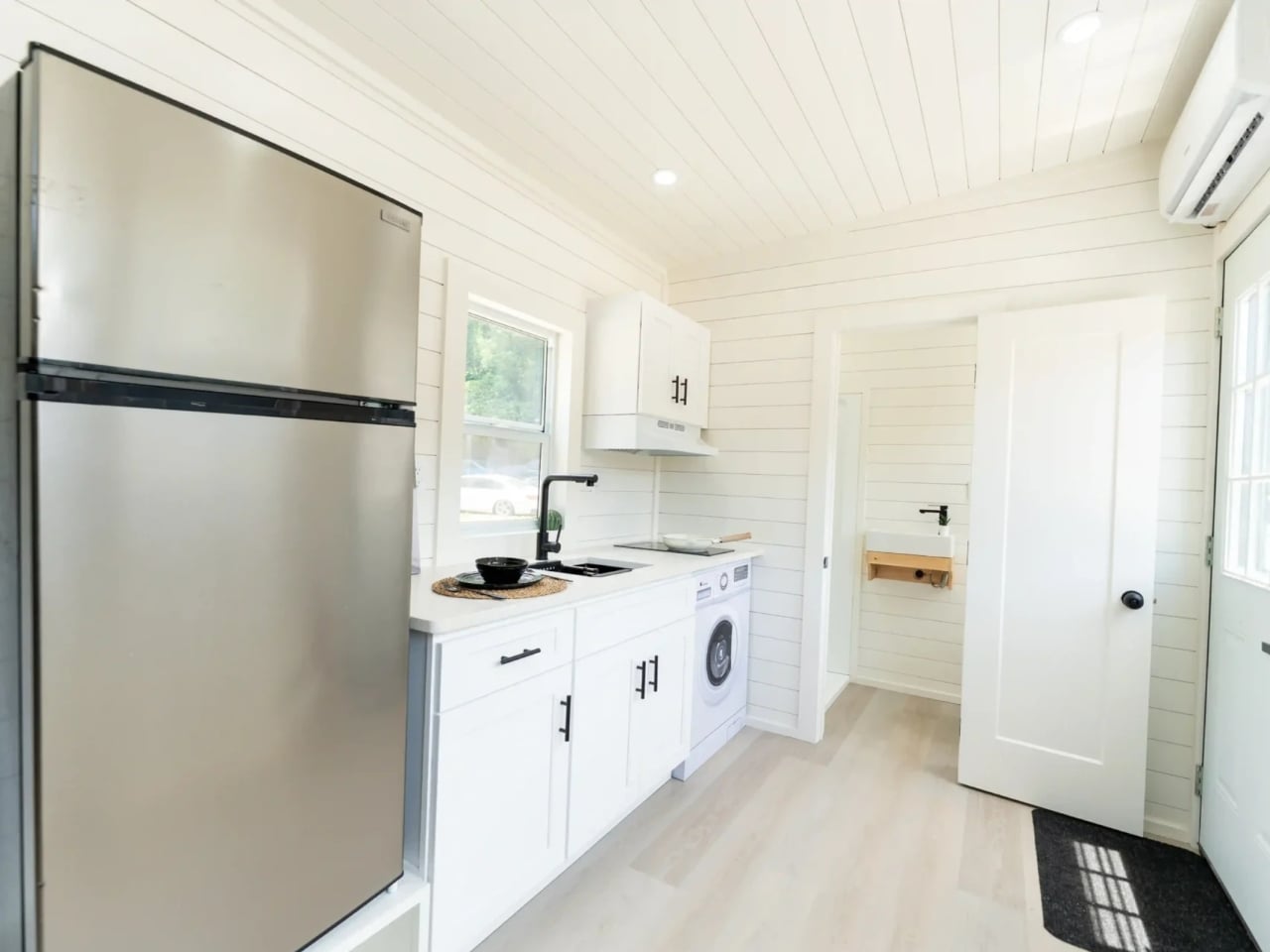
The kitchen is where the design earns its keep. It’s fitted with an induction cooktop, a 7.1 cubic foot refrigerator/freezer, and a washer/dryer unit. That’s not a kitchenette. That’s an actual, functional kitchen compressed into a footprint that forces you to be intentional about how you cook and store. The cabinetry is generous for the size, and the overall layout is clean rather than cluttered, which speaks to how seriously the design team thought about what someone actually needs versus what just looks good in a floor plan render.
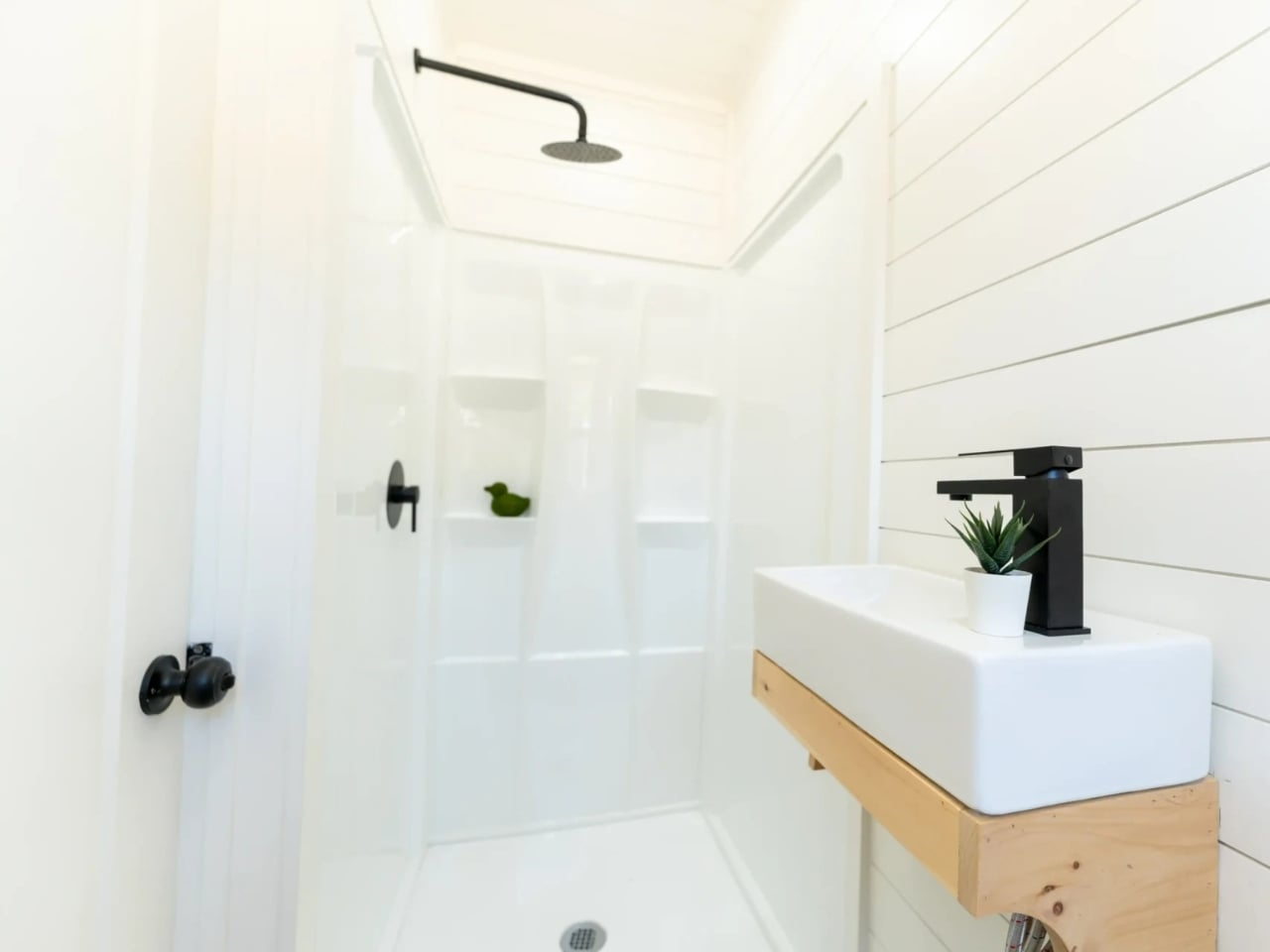
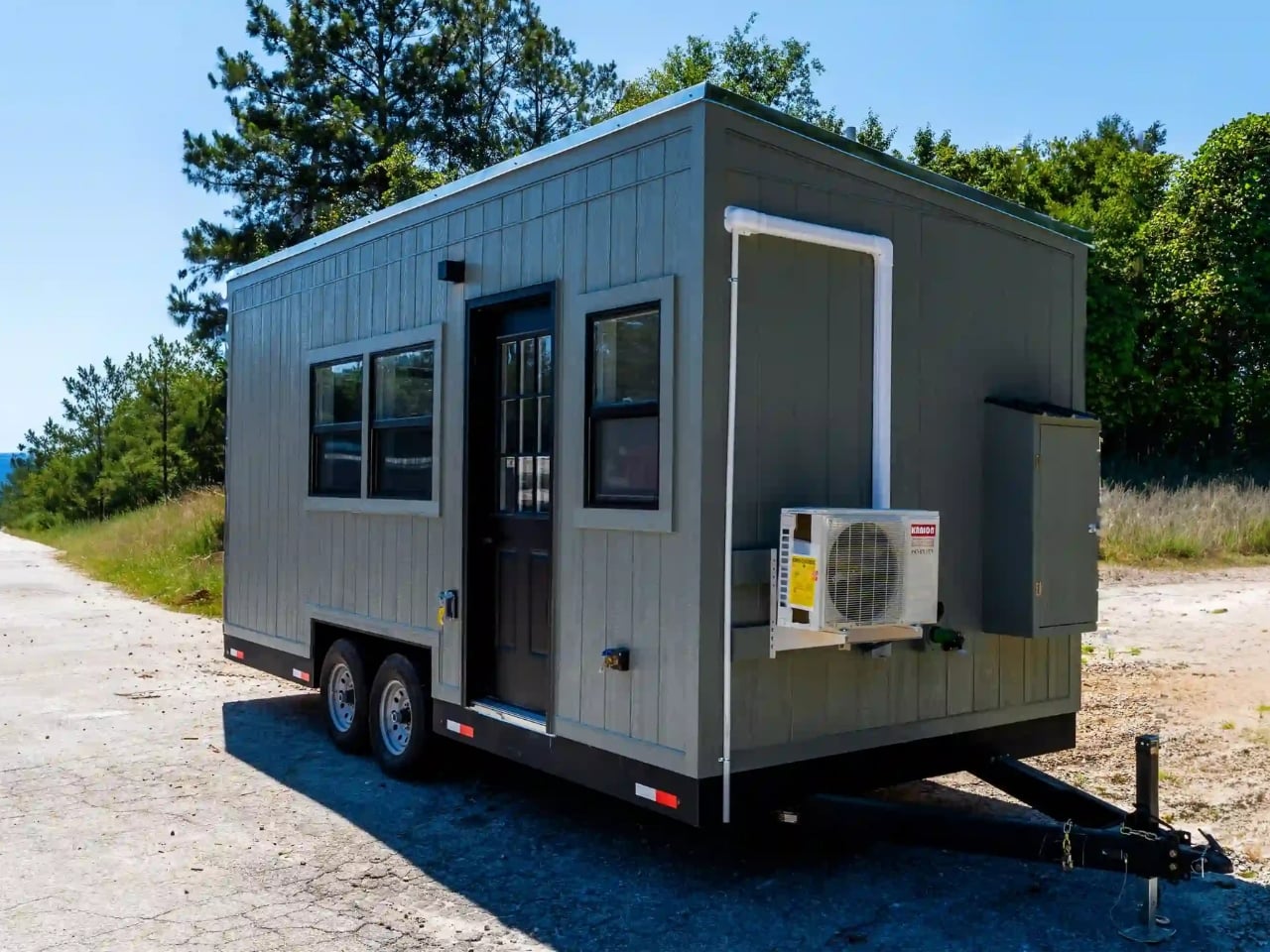
The bathroom follows the same principle: a full bathroom, not a wet room compromise, which matters far more than it sounds when you’re considering whether a space is livable long-term. Six picture windows and two opening windows run throughout the home, and the gray siding with metal roof exterior gives the Fairfax 20 the kind of understated curb appeal that photographs well from every angle.
At $33,700, the Fairfax 20 sits in territory that’s genuinely accessible by current housing market standards. For context, that’s less than a lot of people spend on a car, and significantly less than the average down payment on a traditional home right now. The pricing is one of the more interesting parts of this story because it reframes tiny living not as a lifestyle aesthetic but as a legitimate economic option. That’s a shift worth paying attention to.
The Fairfax 20 also works across multiple scenarios, and Dragon Tiny Homes seems well aware of that. It functions as a primary residence for someone committed to minimalist living, but it’s equally appealing as a backyard ADU, a rental unit, or a guest space. The versatility isn’t incidental. It’s built into the design DNA of the thing.
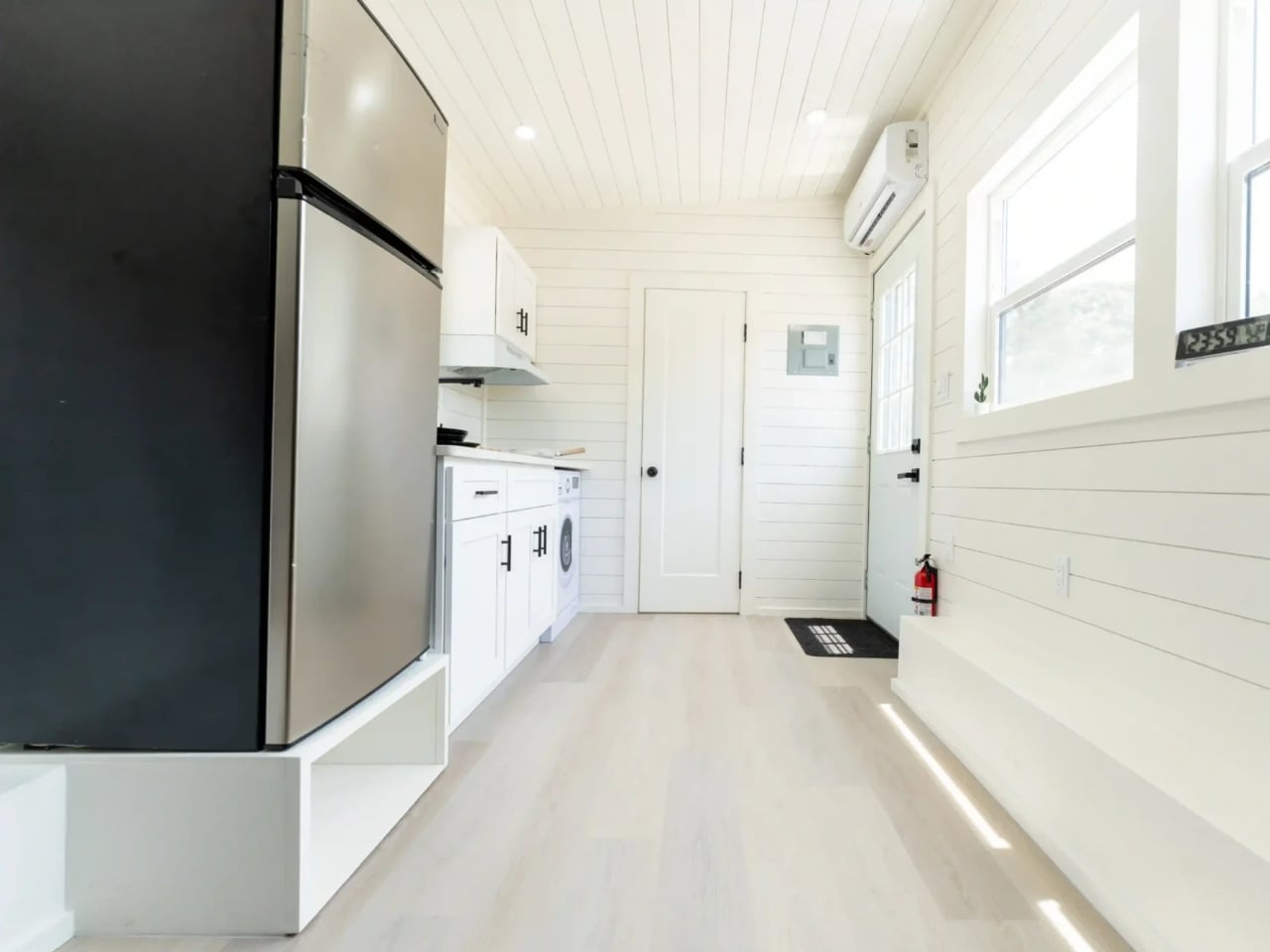
What makes the Fairfax 20 land differently from the dozens of compact homes that cycle through my feed is the lack of pretension in its design. It’s not trying to make 170 square feet look like 400. It’s not performing luxury. It’s making a clear-eyed case for what’s actually necessary and building it well. The single-floor plan, the full-size appliances, the thoughtful storage, the windows pulling in enough natural light to make the space feel bigger than the measurements suggest. These are all quiet decisions that add up to something that feels considered rather than compromised.
Whether or not tiny home living is for you, designs like the Fairfax 20 have something to say about how we think about space, value, and what we actually need a home to do. And right now, that conversation feels more relevant than ever.
Ida Torres
If you liked the article, do not forget to share it with your friends. Follow us on Google News too, click on the star and choose us from your favorites.
If you want to read more like this article, you can visit our Technology category.