Table of Contents
The Freelander name is making a comeback after more than a decade, but its return marks a significant shift from its original identity. Once a compact SUV within the Land Rover lineup, the Freelander has been revived as an independent electrified vehicle brand through a joint venture between Jaguar Land Rover (JLR) and Chinese automaker Chery.
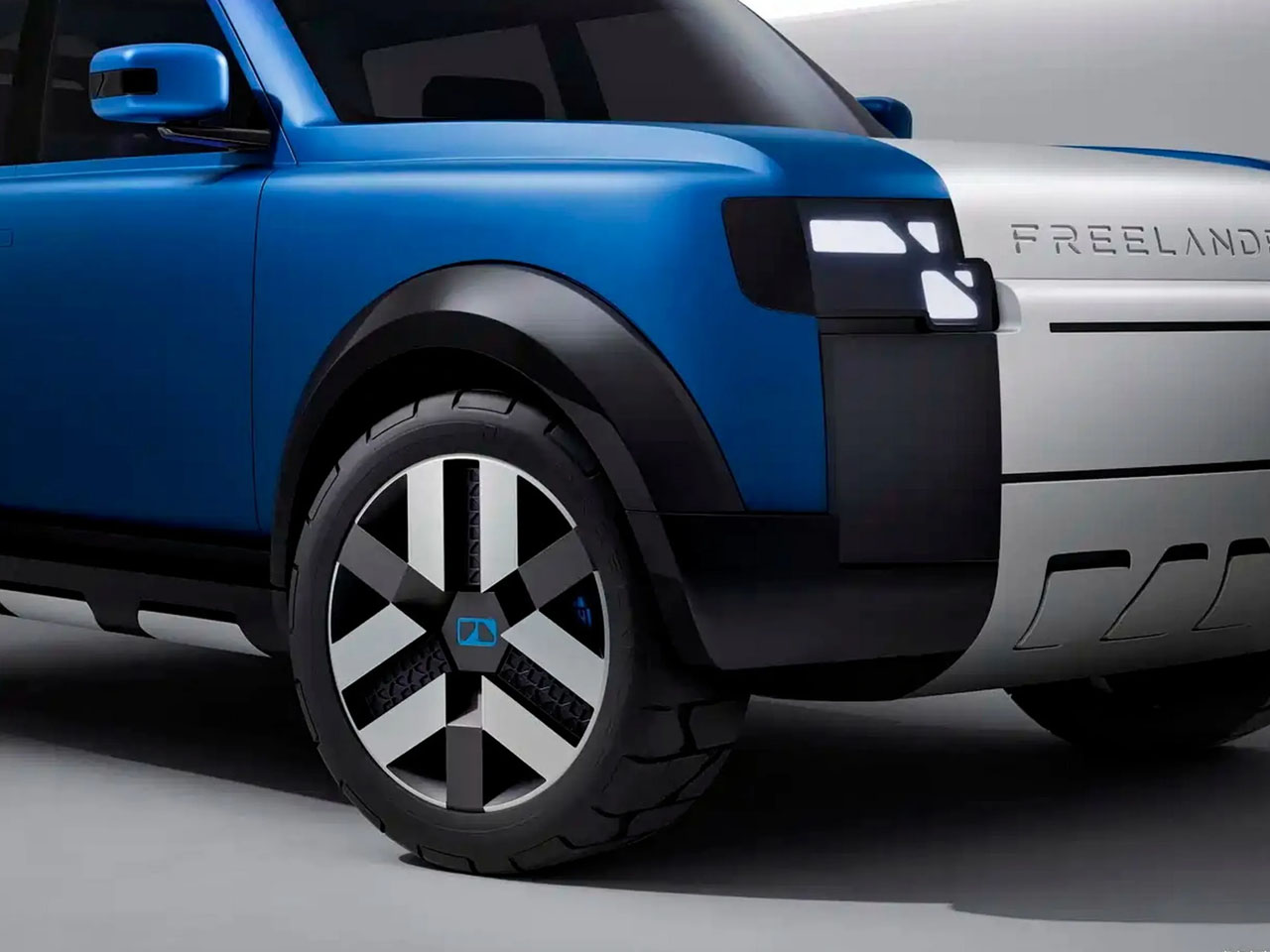
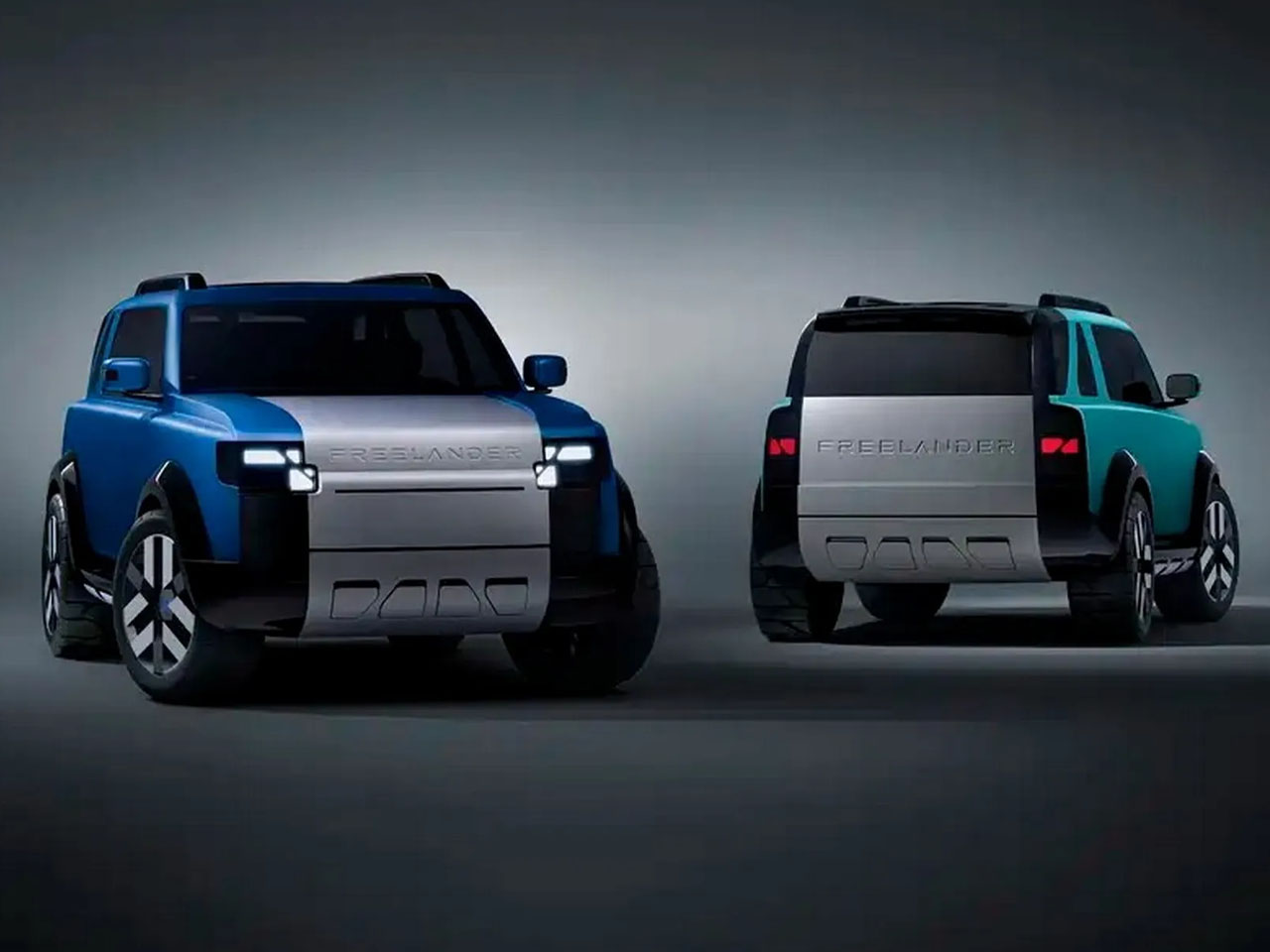
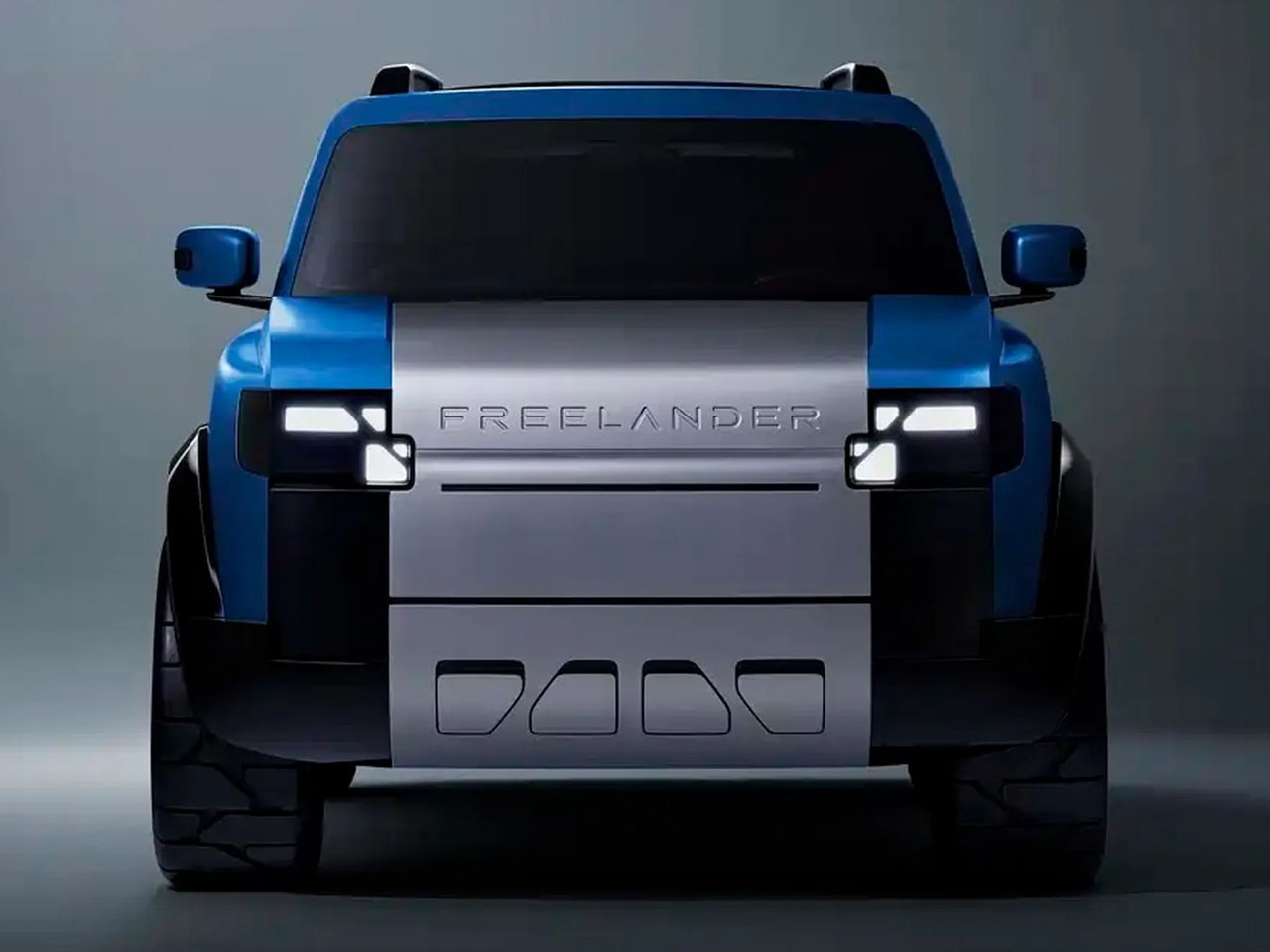
Rather than reintroducing the vehicle under the Land Rover badge, the two companies are positioning Freelander as a separate marque focused on a new generation of electrified SUVs, with global ambitions but an initial focus on the Chinese market. The revival is led by the Concept 97, a name that references the original Freelander’s debut in 1997. Although the new vehicle does not carry Land Rover branding, its styling retains visual cues associated with the brand’s off-road heritage.
Designer: Freelander
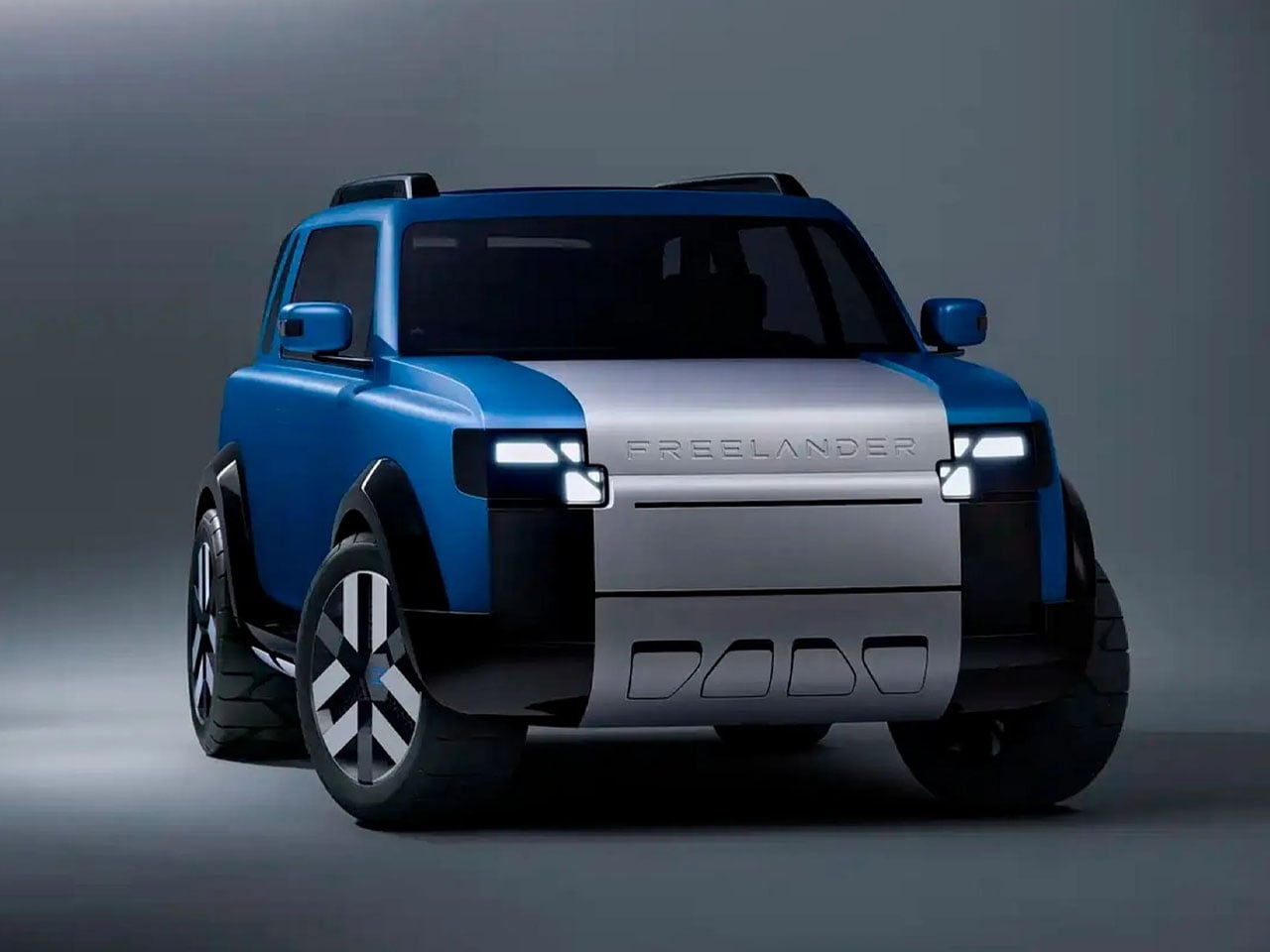
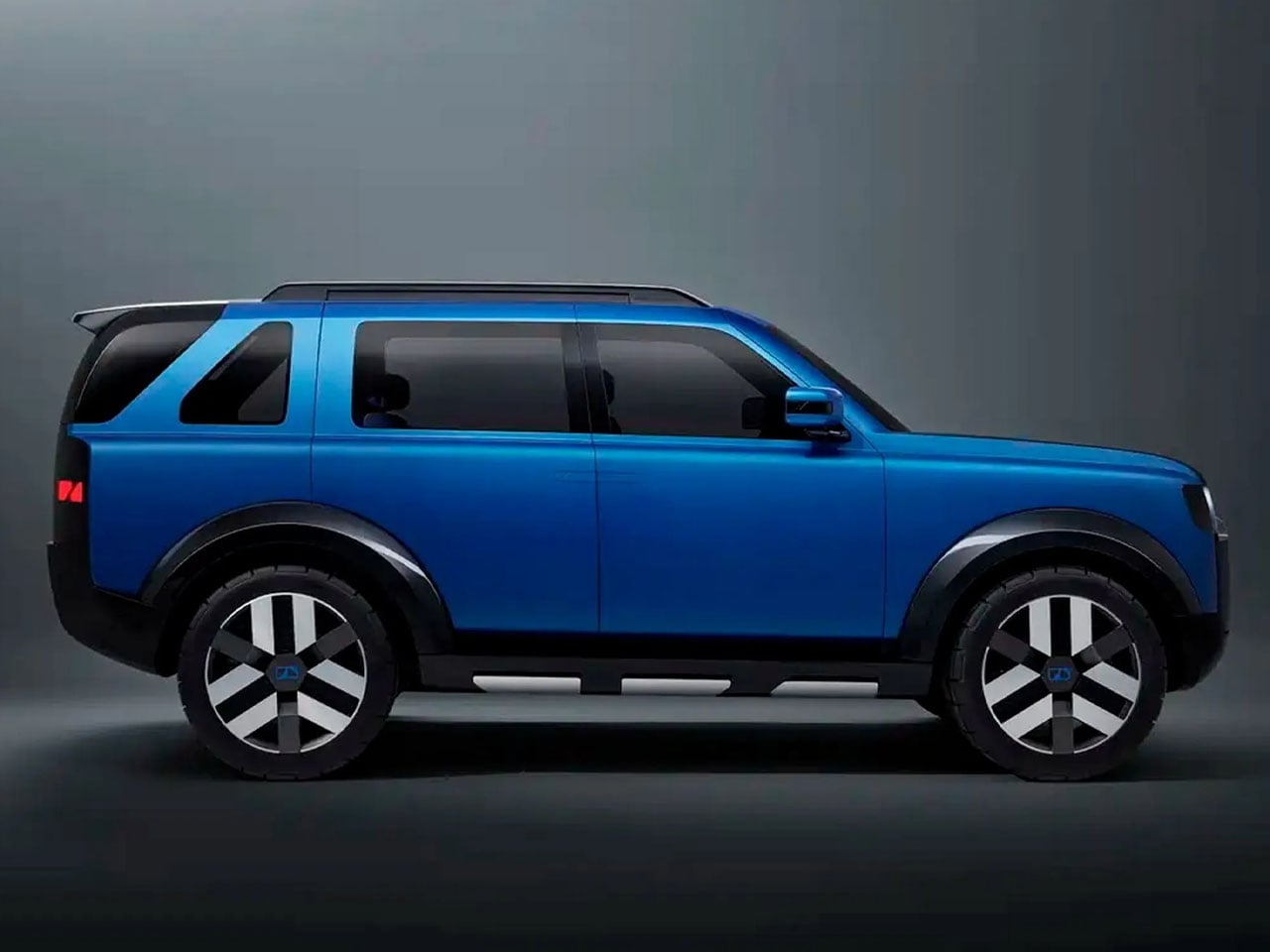
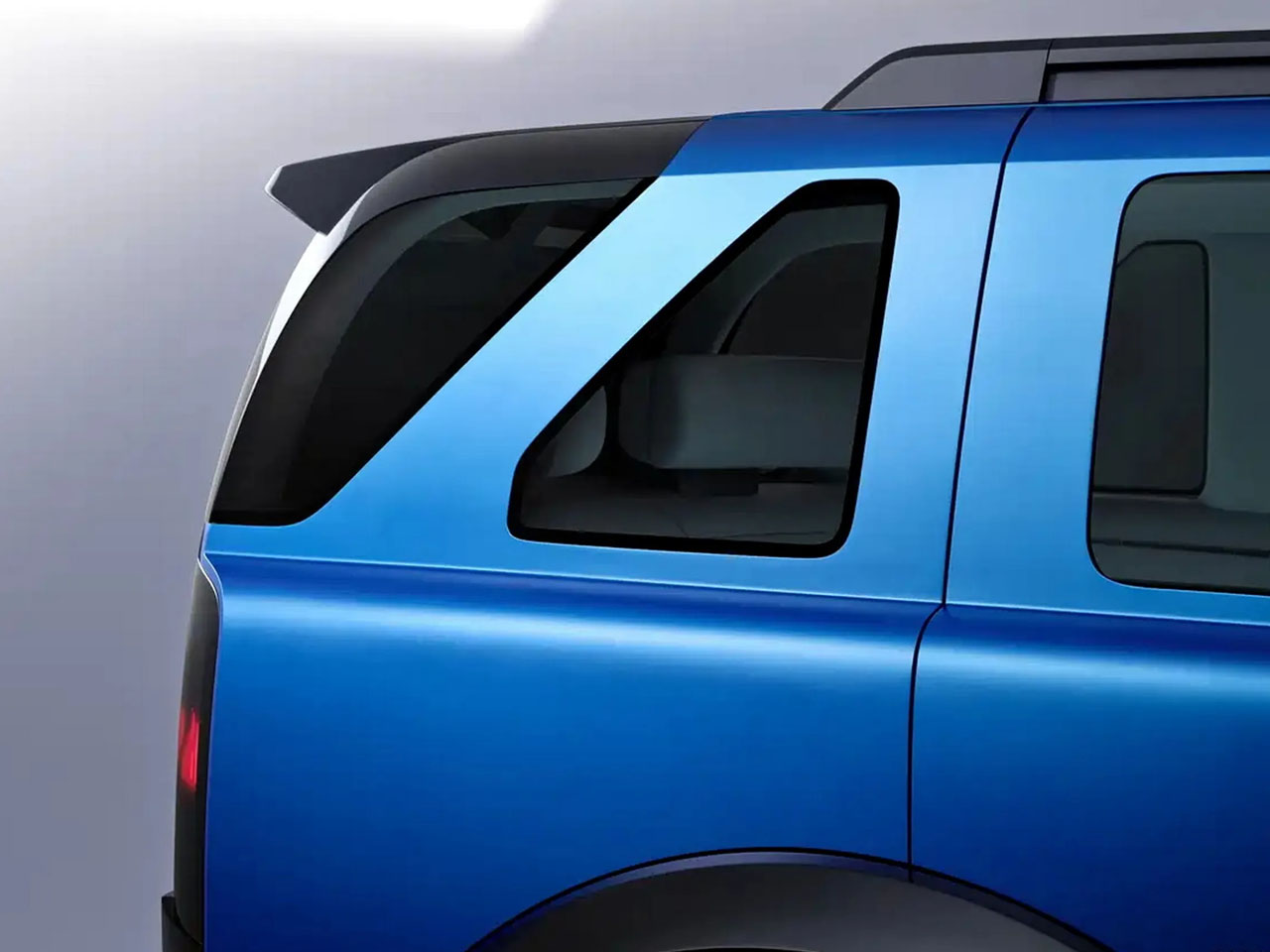
The concept features a boxy silhouette, upright stance, and rugged proportions reminiscent of classic Land Rover SUVs, while also integrating modern lighting elements and a more futuristic design language. Details such as the angled D-pillar nod to the three-door Freelander from the late 1990s, blending nostalgia with contemporary aesthetics. The project represents a deeper collaboration between JLR and Chery, combining British design expertise with Chinese electric-vehicle technology and manufacturing capabilities.
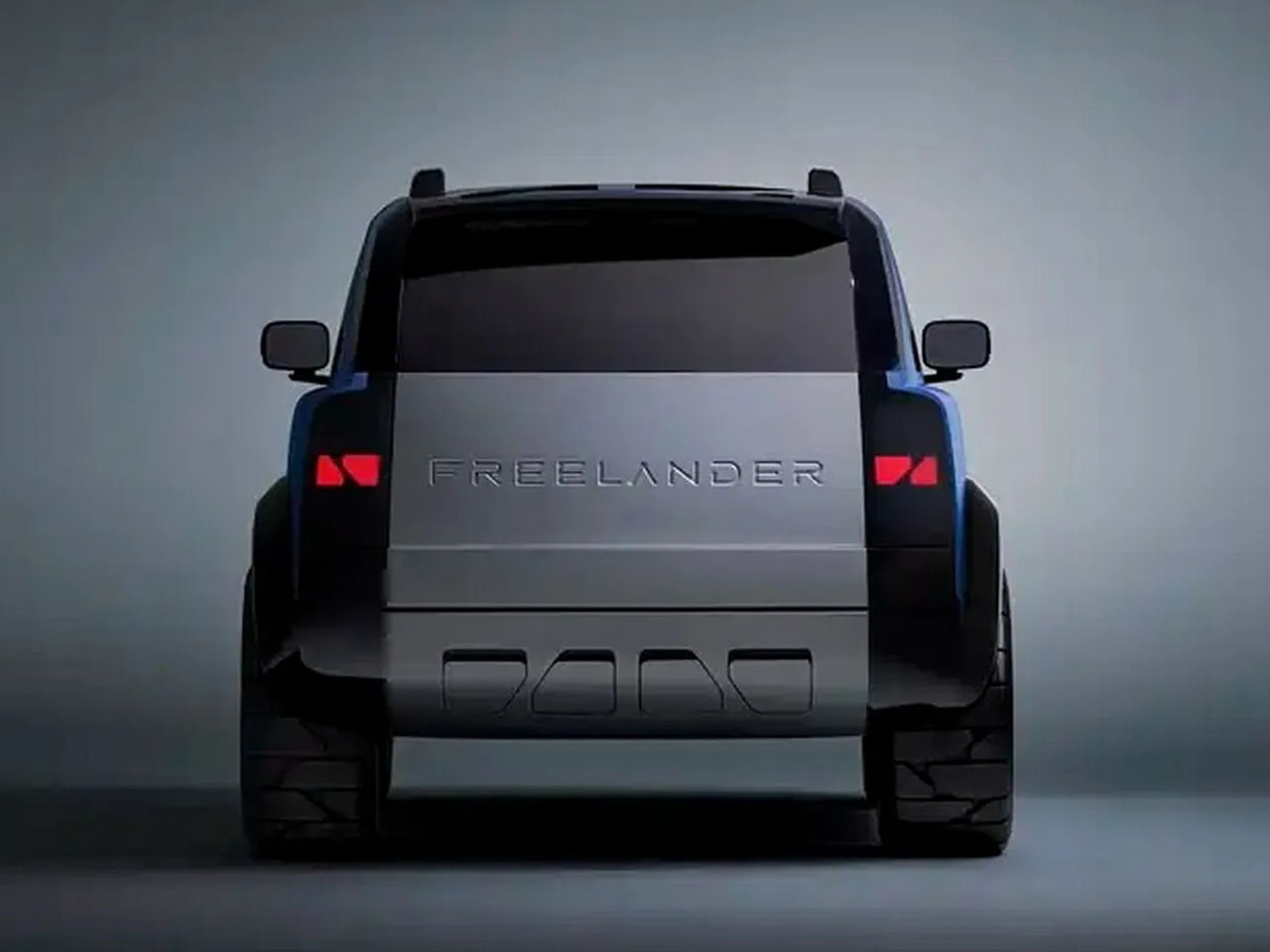
JLR contributes design direction and brand heritage, while Chery provides the underlying platforms, powertrain technology, and large-scale production. The vehicles will be produced at the Chery-Jaguar Land Rover joint-venture facility in Changshu, China, which will become the manufacturing base for the new lineup. Unlike the original Freelander, which relied on traditional internal-combustion engines, the reborn lineup is centered on electrification. The new models are expected to use an advanced 800-volt platform capable of supporting multiple powertrain configurations, including fully electric vehicles, plug-in hybrids, and range-extended electric systems.
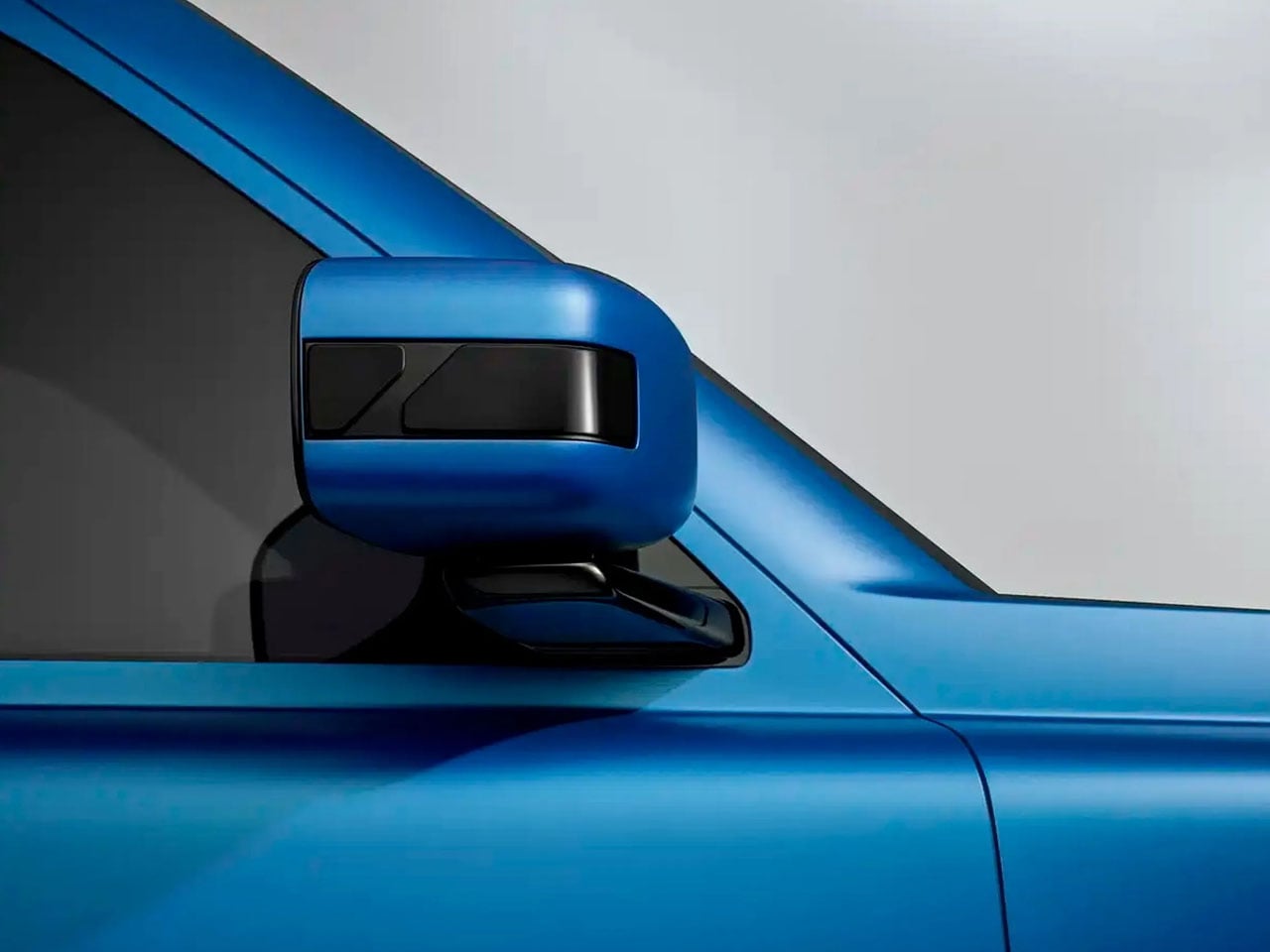
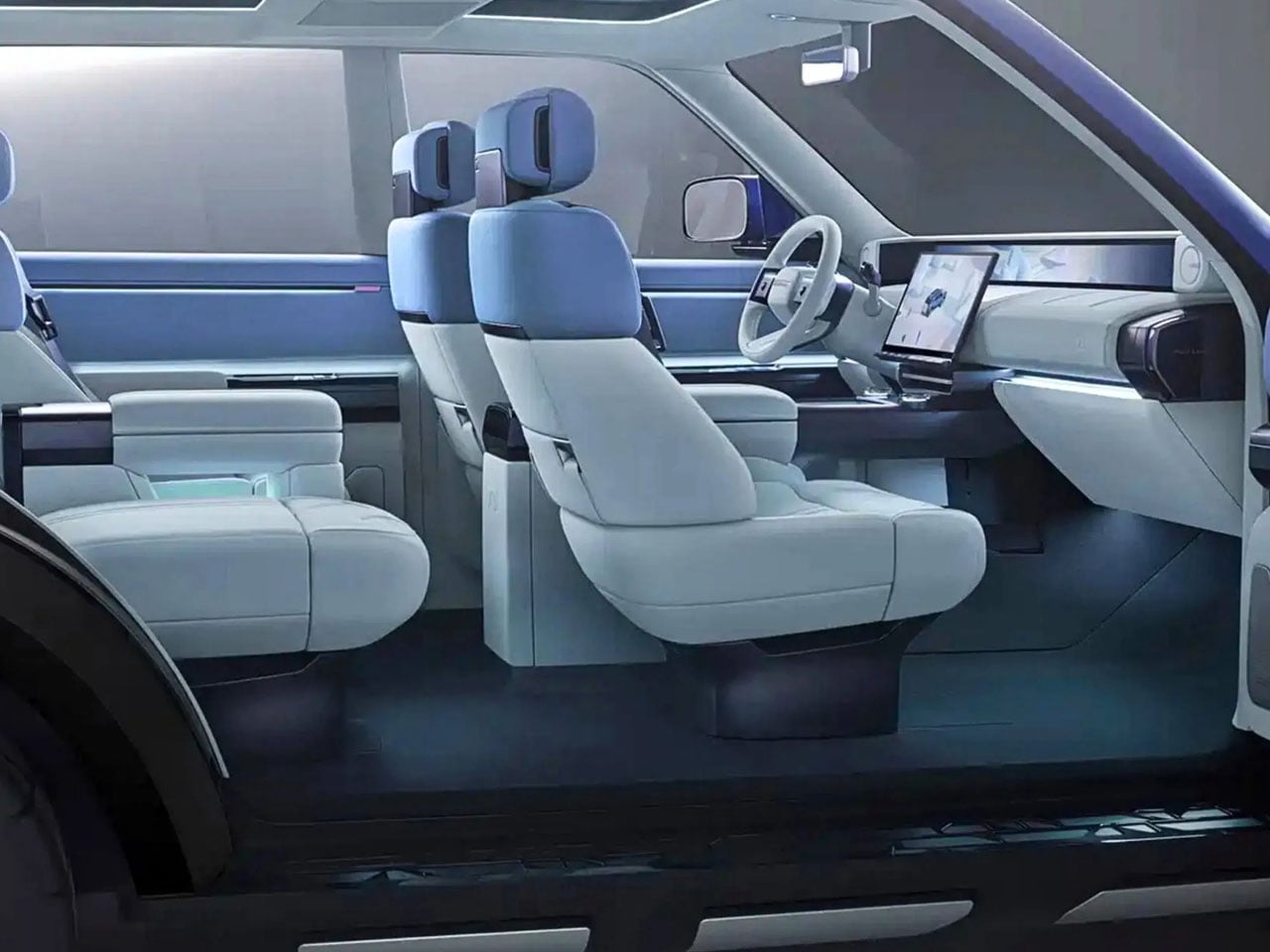
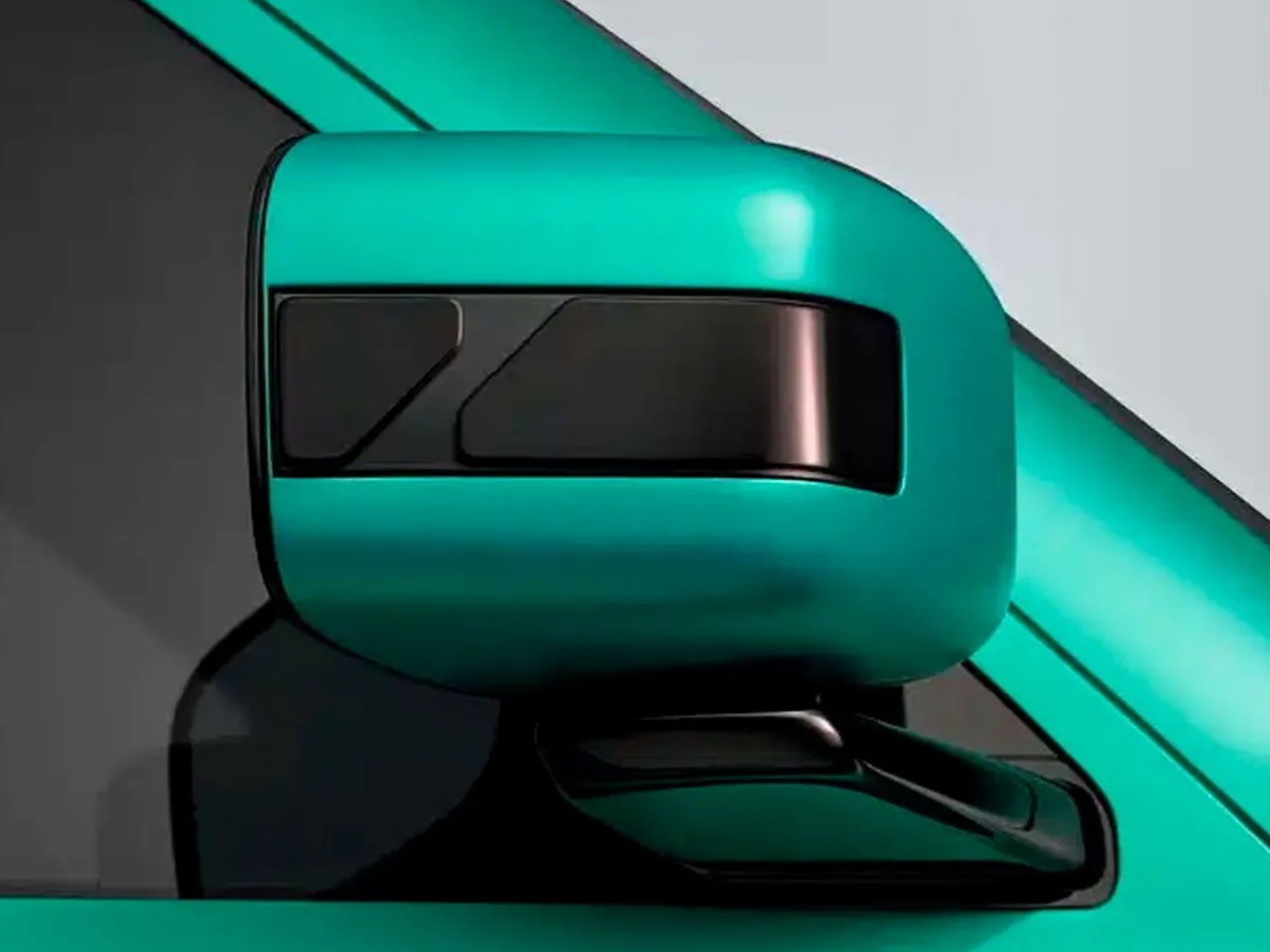
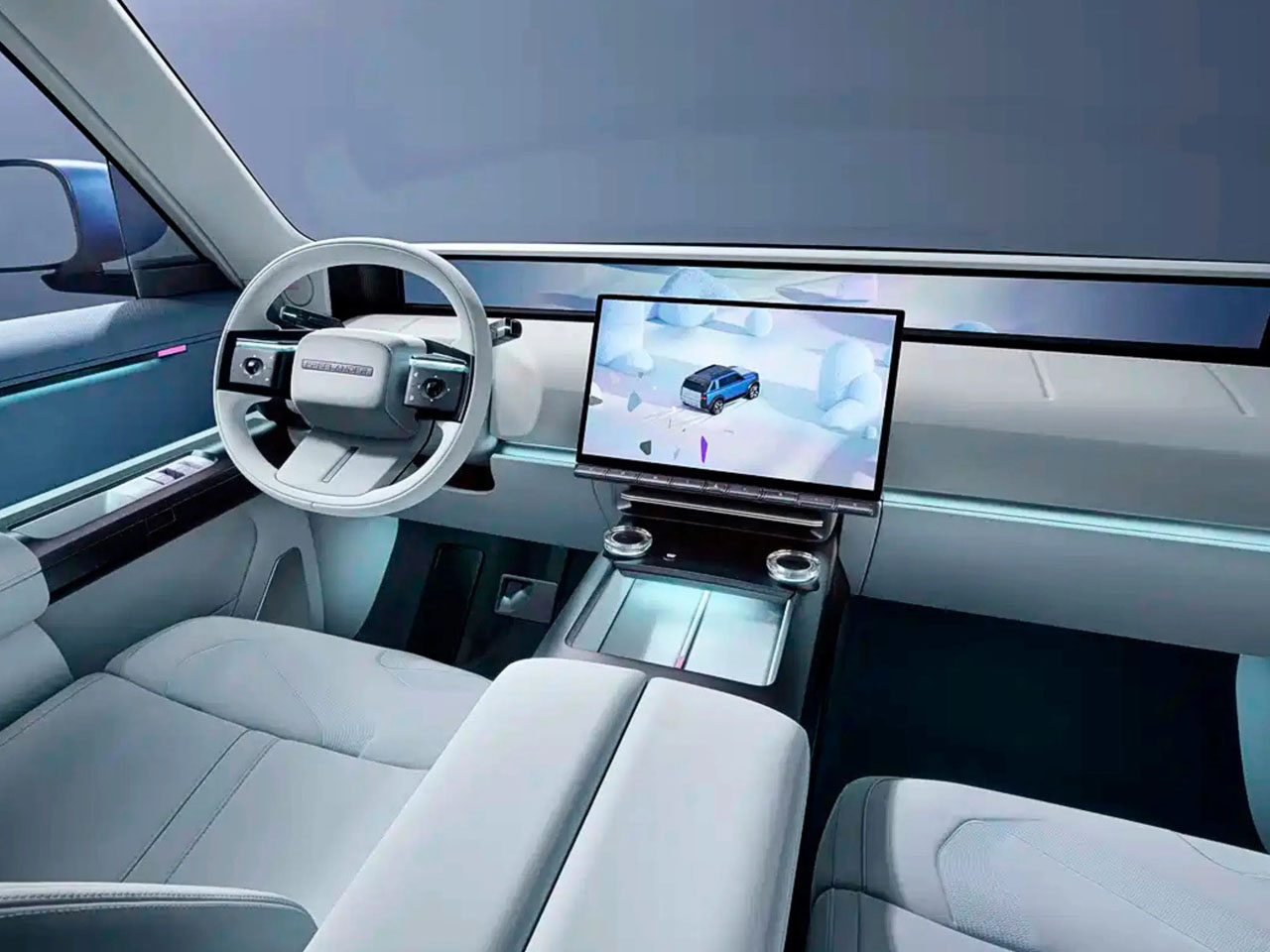
This flexibility allows the brand to adapt to varying market demands and regulatory environments while maintaining a focus on off-road capability and performance. On the Inside, Concept 97 emphasizes a technology-driven cabin designed for comfort and connectivity. The vehicle features a three-row layout with six seats, including a rear bench styled like a lounge couch. A pillar-to-pillar display runs along the base of the windshield, complemented by a large central infotainment screen. Advanced electronics play a major role in the user experience, with systems powered by Qualcomm’s Snapdragon 8397 chip and Huawei’s Qiankun intelligent-driving technology. This is assisted by a high-resolution LiDAR sensor for advanced driver-assistance features.
The Concept 97 is not intended to be a standalone showcase. Instead, it previews an entire product strategy built around a family of electrified SUVs. The Freelander brand plans to launch six production models over the next five years, beginning with a three-row SUV similar to the concept. These vehicles will initially target Chinese buyers before gradually expanding into international markets with region-specific models. What began as an entry-level Land Rover has now evolved into a standalone electric SUV brand, signaling how legacy automotive names are being reimagined for the rapidly changing landscape of global mobility.
Gaurav Sood
If you liked the article, do not forget to share it with your friends. Follow us on Google News too, click on the star and choose us from your favorites.
If you want to read more like this article, you can visit our Technology category.