Table of Contents
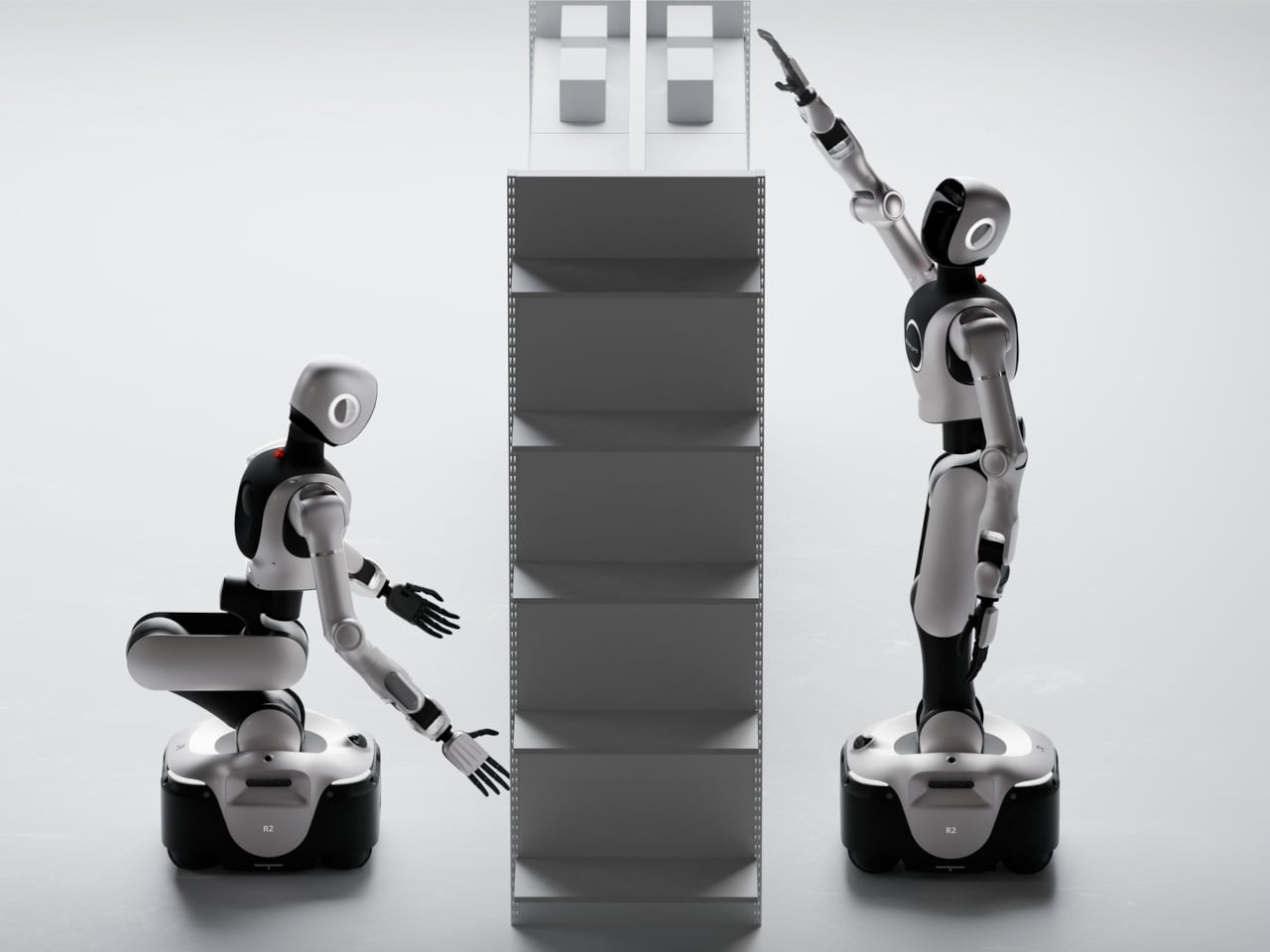
Service robots have been making steady progress in controlled environments, but deploying them in real commercial spaces has always come down to one stubborn problem: most indoor spaces weren’t built with them in mind. Supermarket aisles, retail corridors, and home hallways run narrow, and rebuilding or widening them to accommodate a humanoid robot isn’t a cost that any business would willingly absorb just to install one.
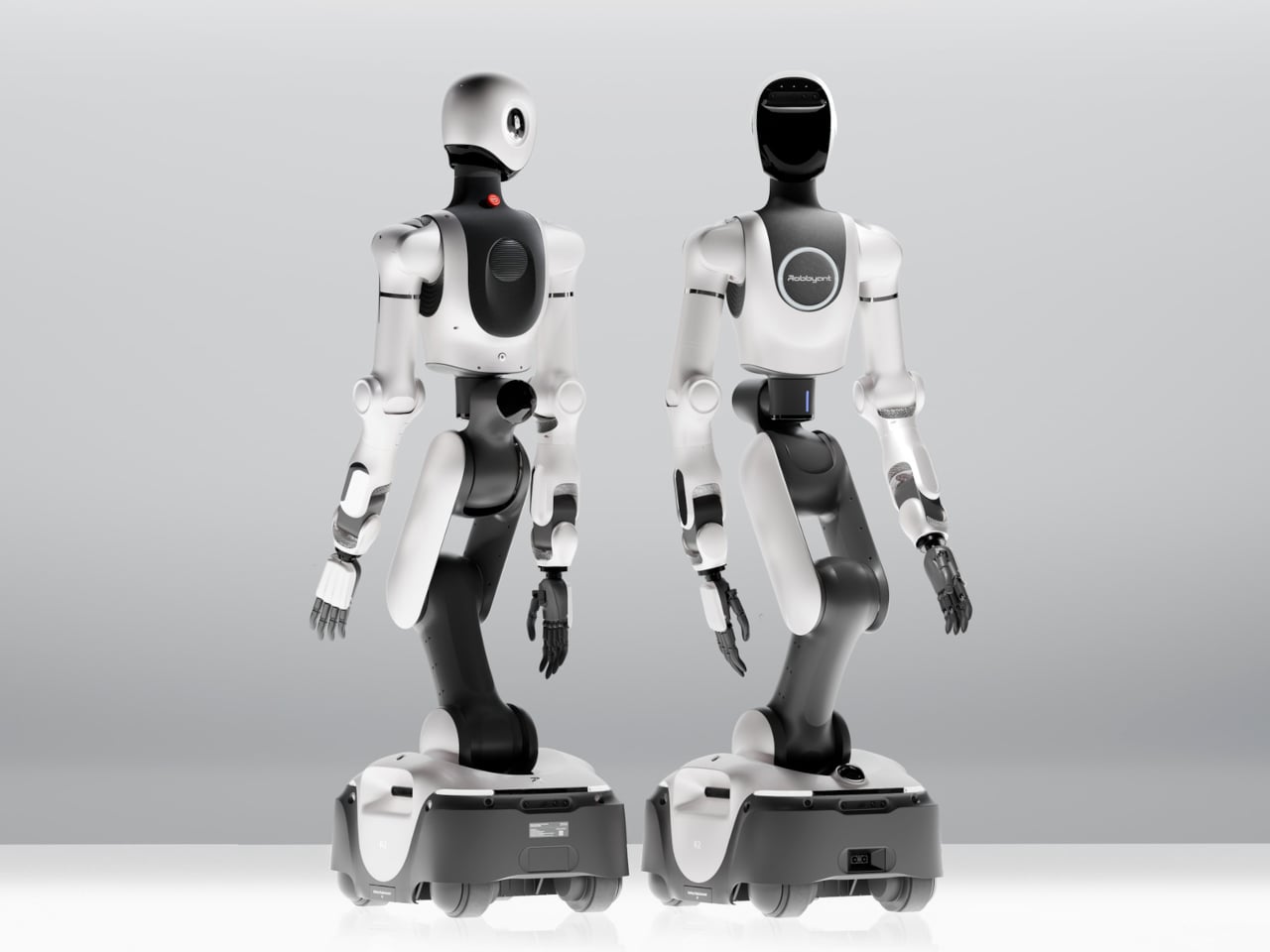
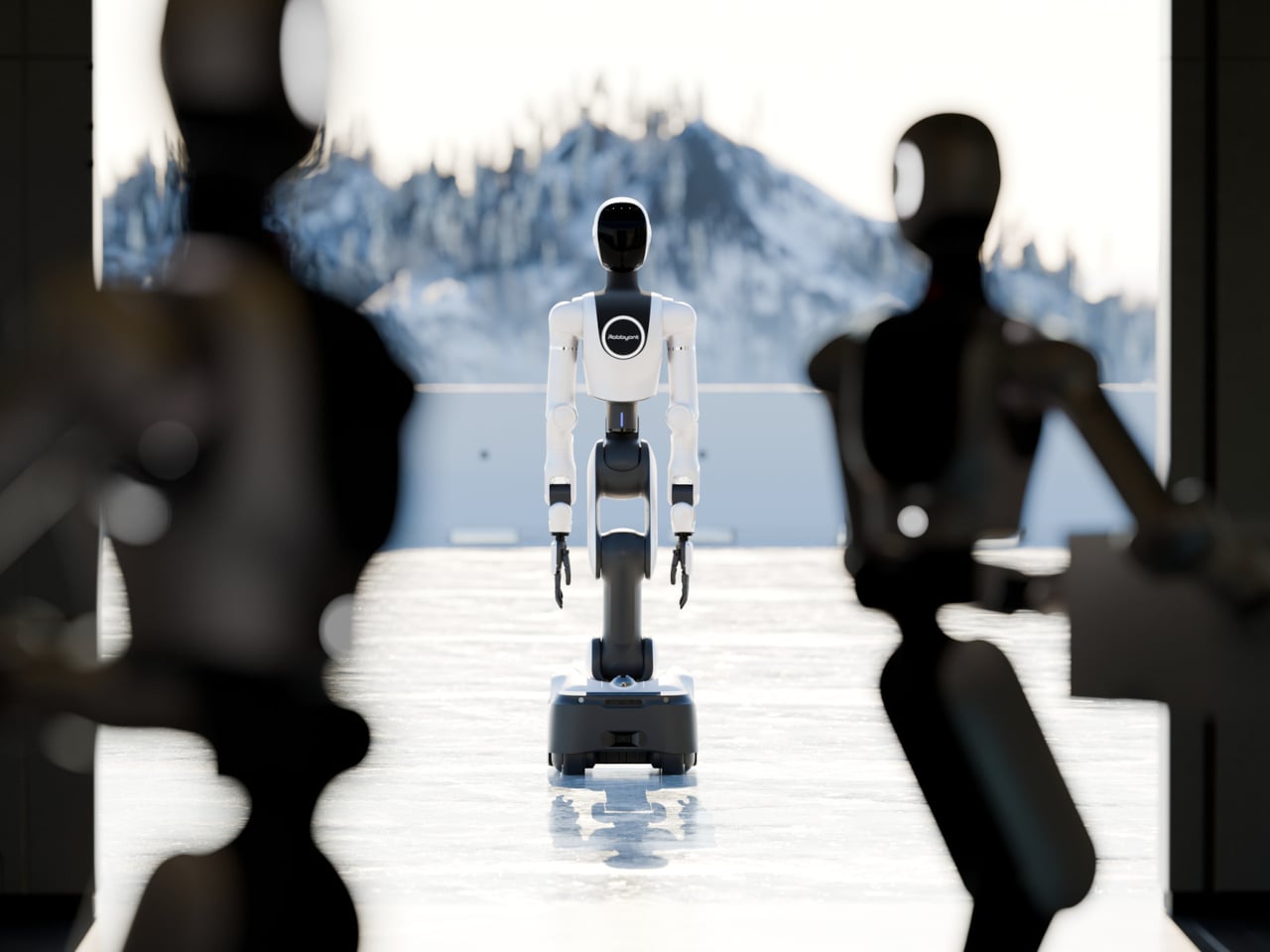
The Robbyant R2 approaches that problem from the chassis up. Built on a 455 mm rectangular base with a body width equal to human shoulder span, it can navigate 650mm aisles smoothly, making it the first wheeled humanoid robot to clear that threshold. Its 360° omnidirectional mobility and precise obstacle avoidance mean it can operate in tight commercial and residential spaces without any layout changes to the space itself.
Designers: Yupeng Hu, Mingwei Zhang, Qi Huang, Yuxuan Liu, Zhewen Wu
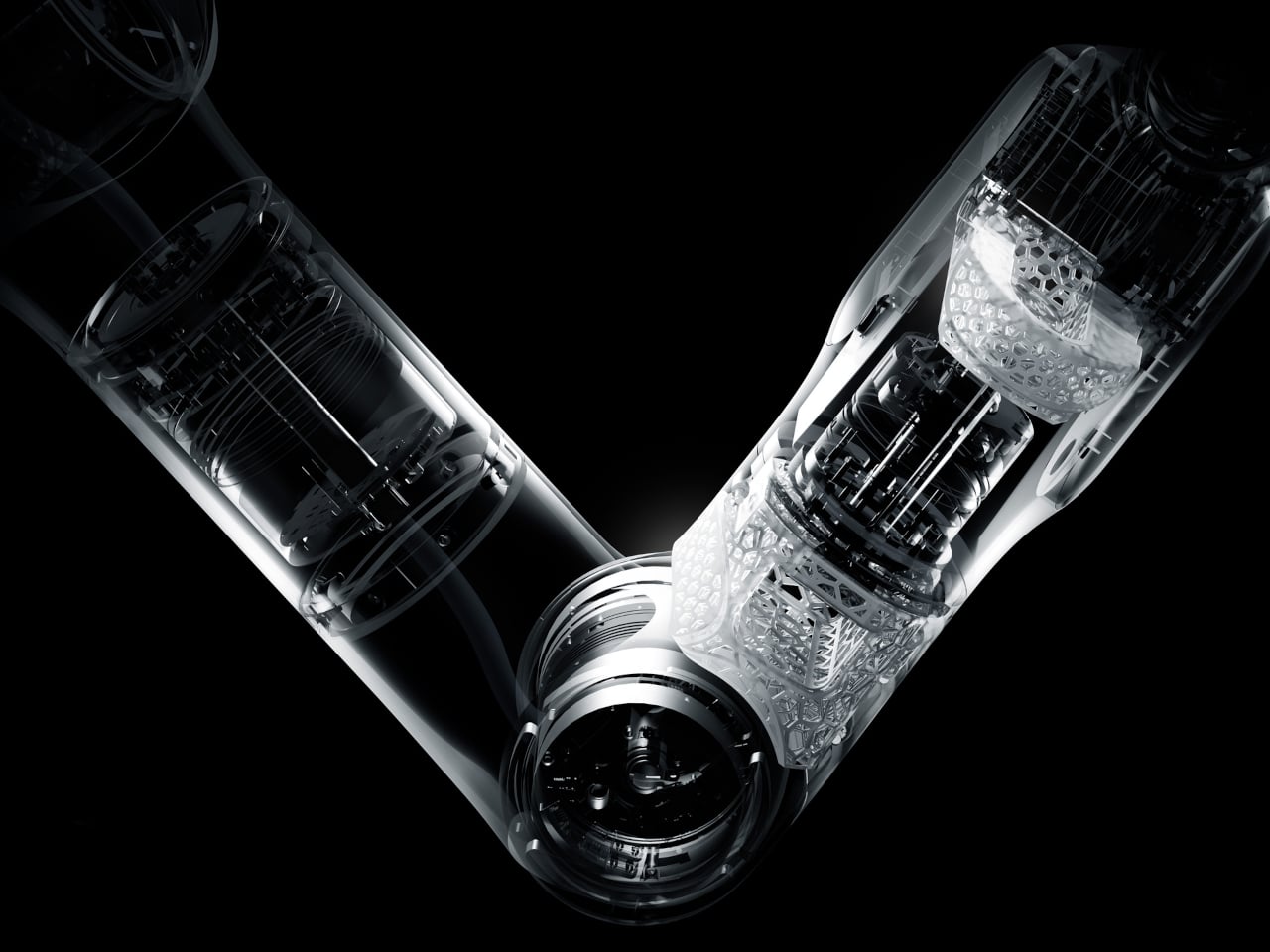
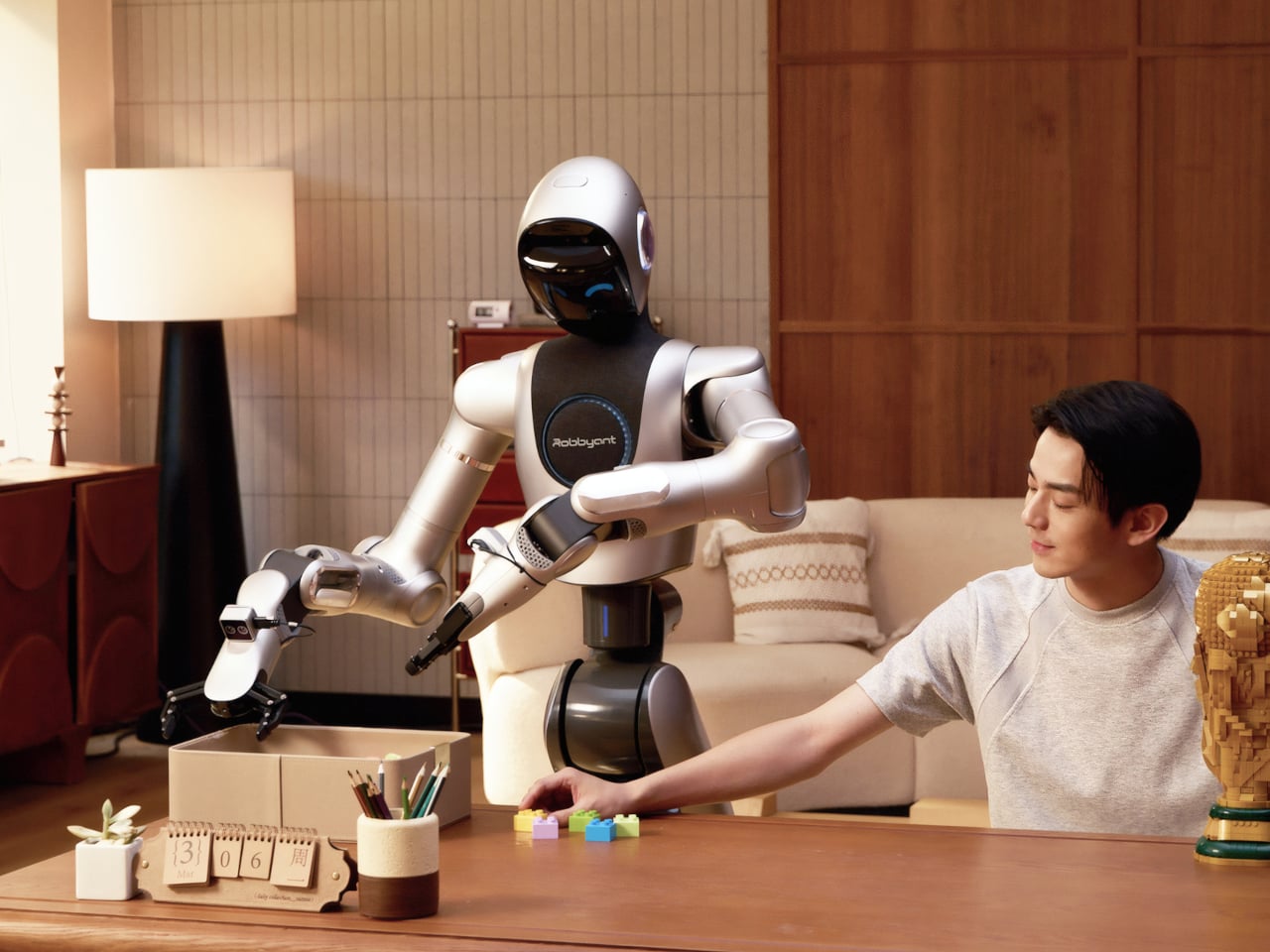
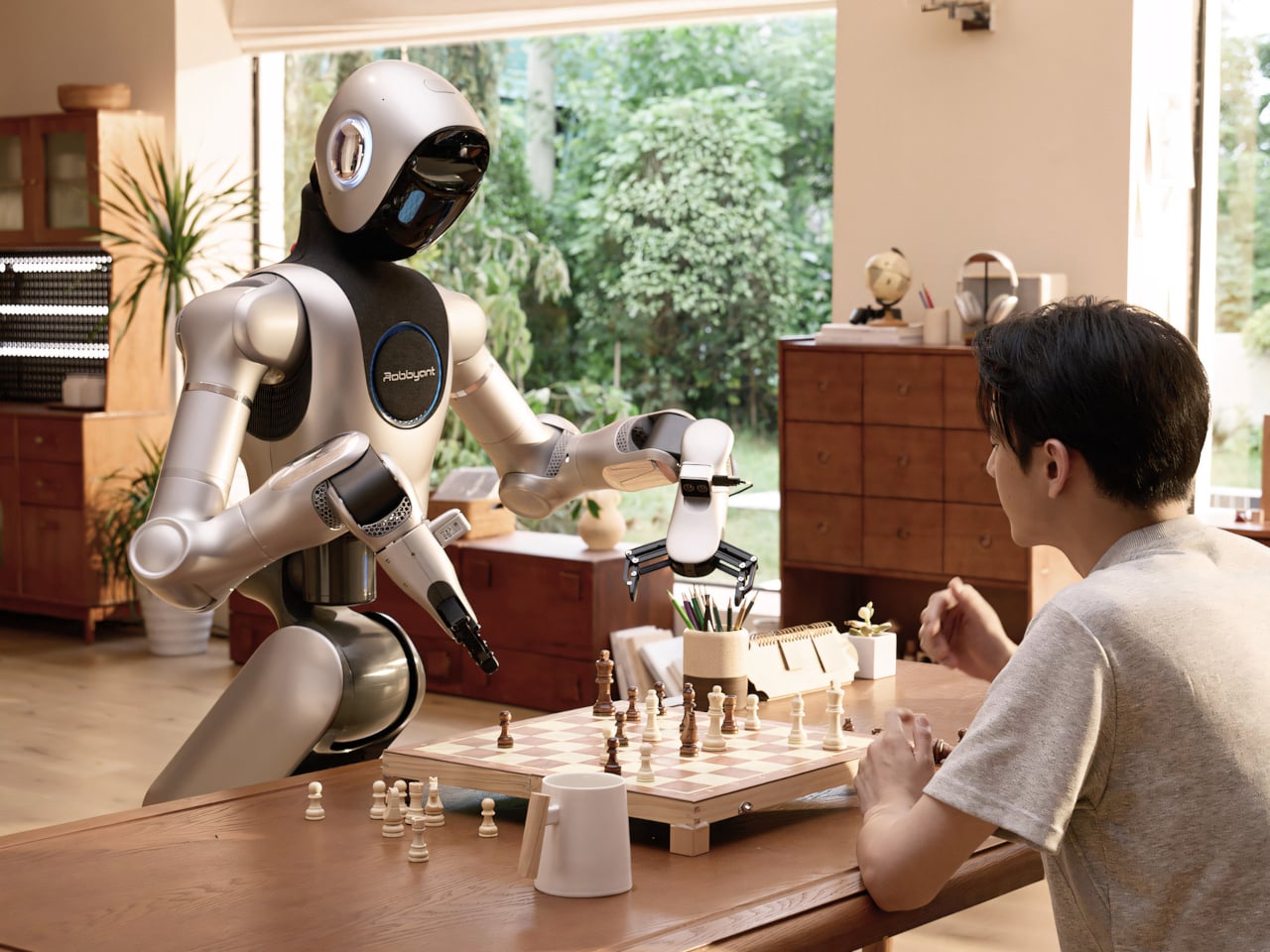
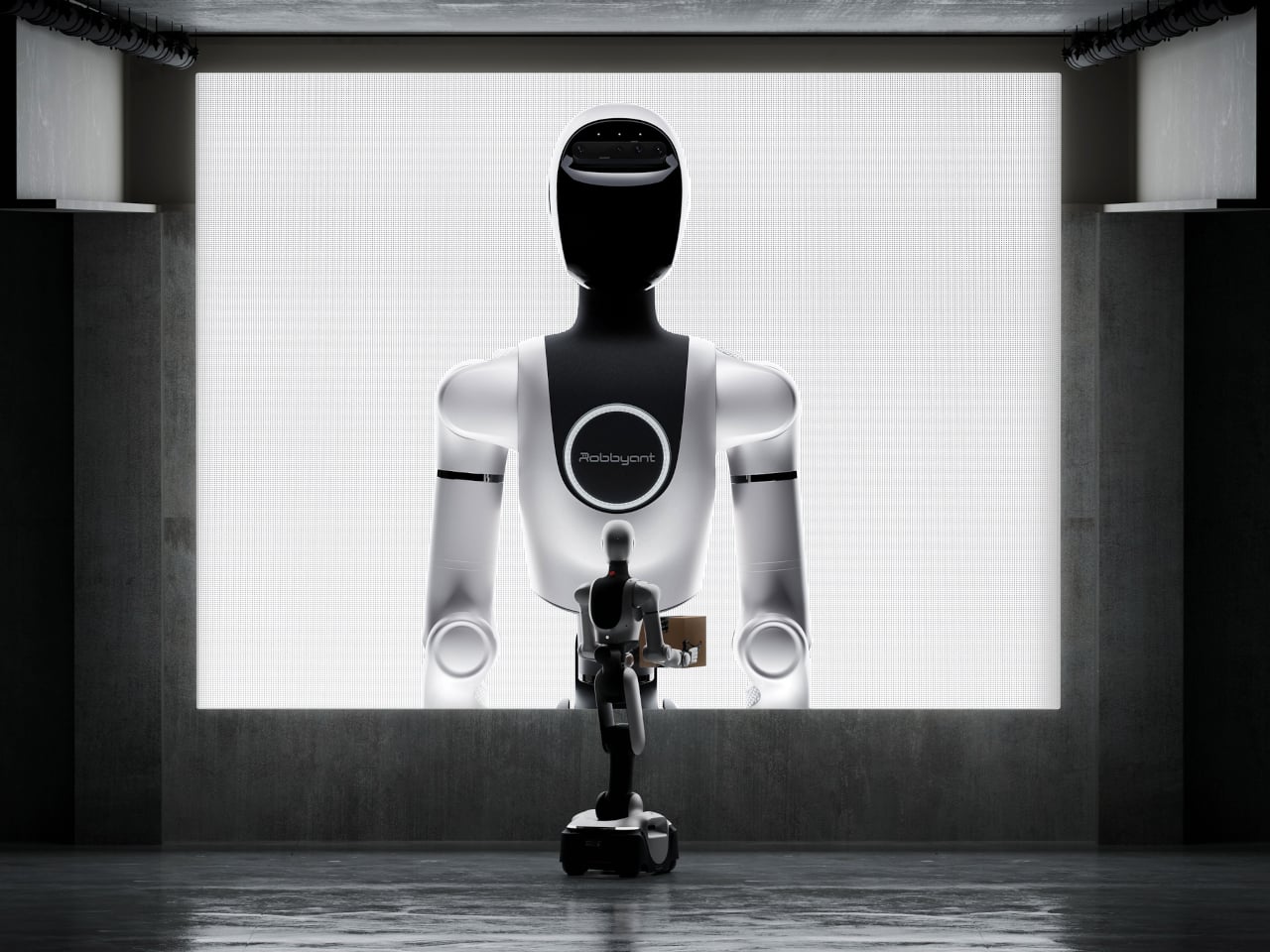
The arm system is where that compact footprint pays off most concretely. Dual arms with seven degrees of freedom, each capable of lifting up to 5kg, give R2 enough reach and dexterity for sorting stock, moving items between locations, and handling everyday objects that typically require human hands. The range of motion this unlocks is considerably closer to a natural human arm than a conventional industrial manipulator.
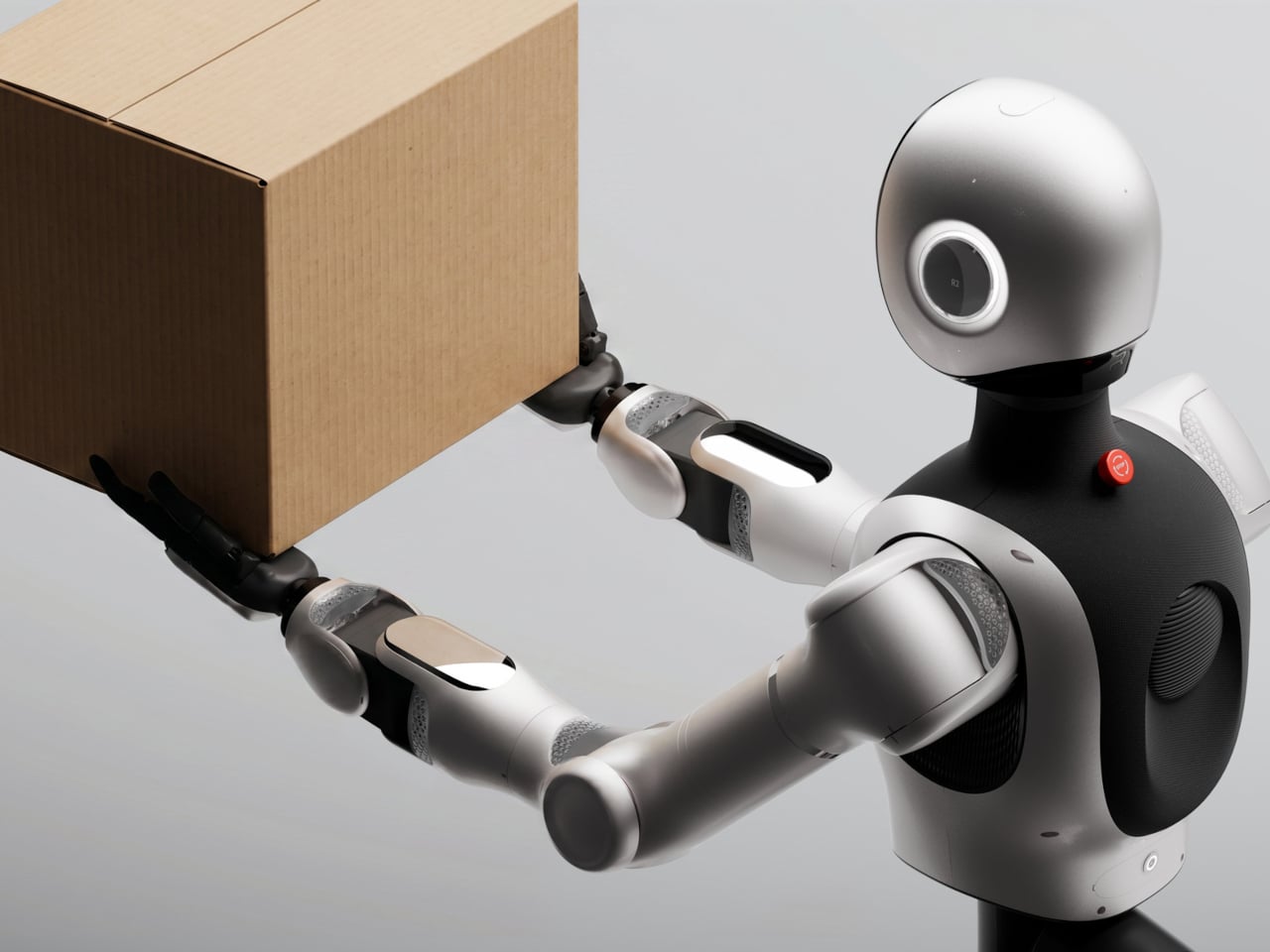
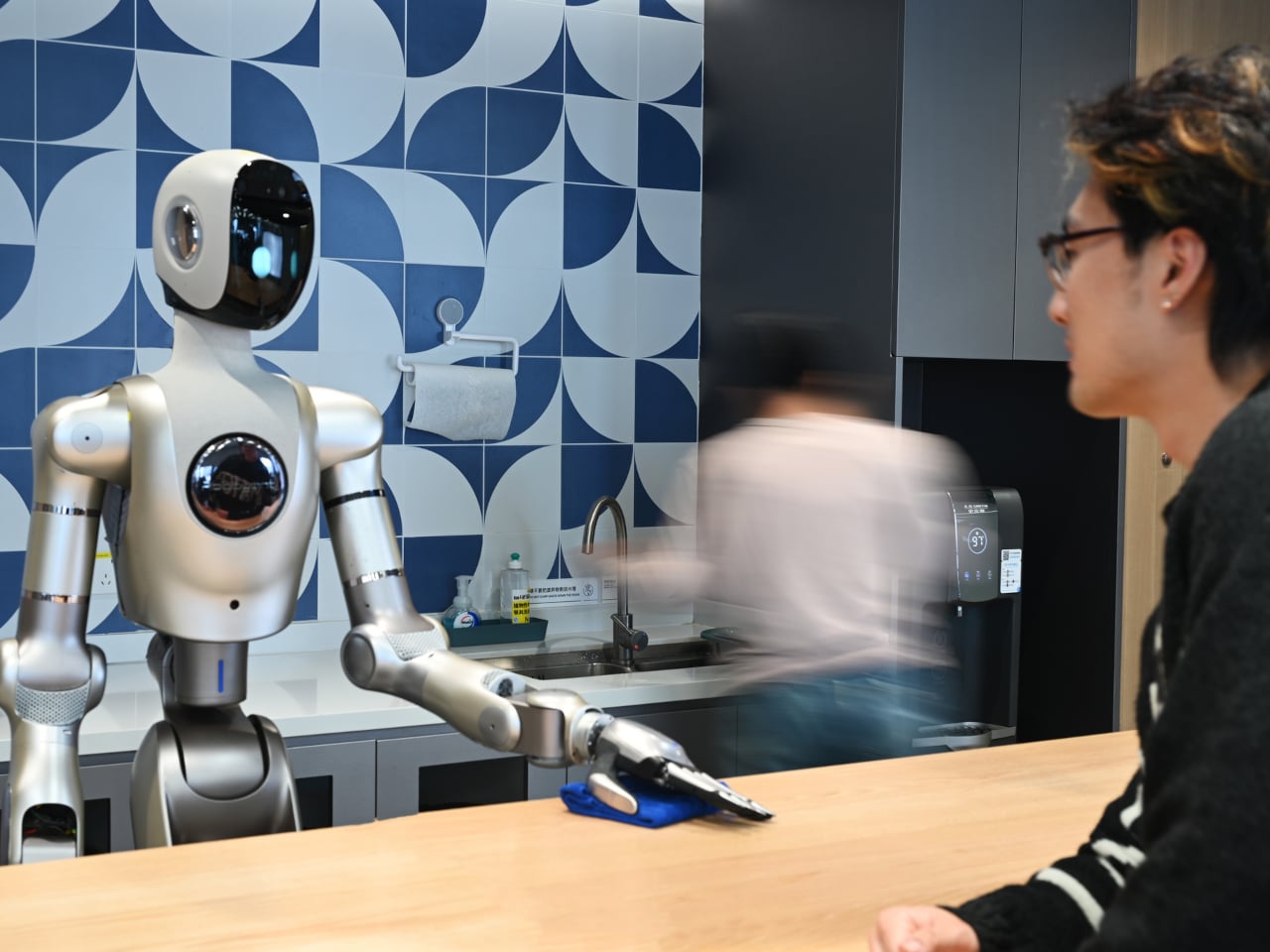
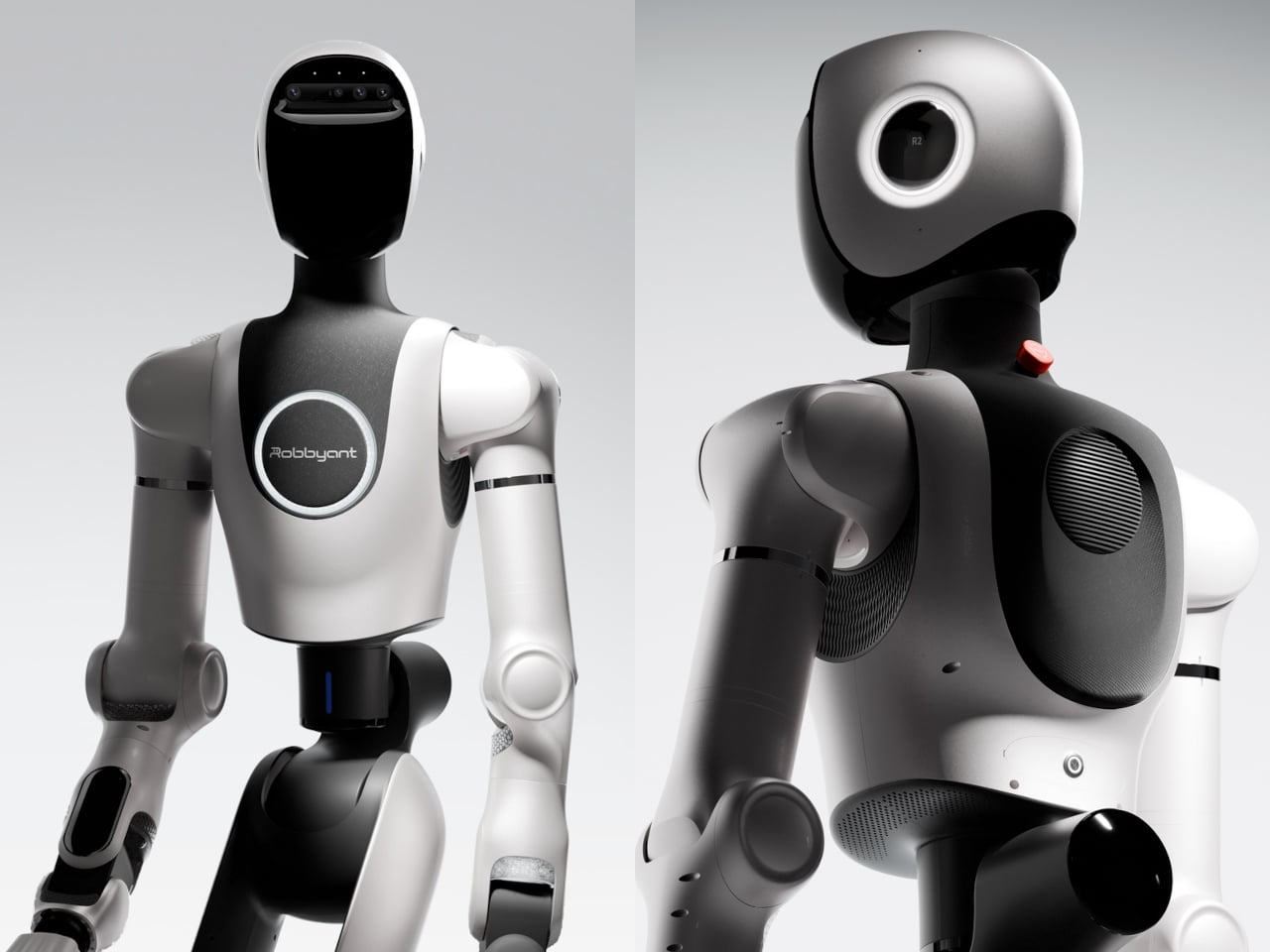
Working alongside people in a shared space also means communicating in ways that don’t make them uncomfortable. R2 does this through a binocular depth camera, a 360° microphone array, a speaker, and dynamic lighting that shifts in sync with its movement. Facial expressions and coordinated body language allow it to signal intent in real time, giving people around it the kind of readable cues that make shared spaces feel manageable.
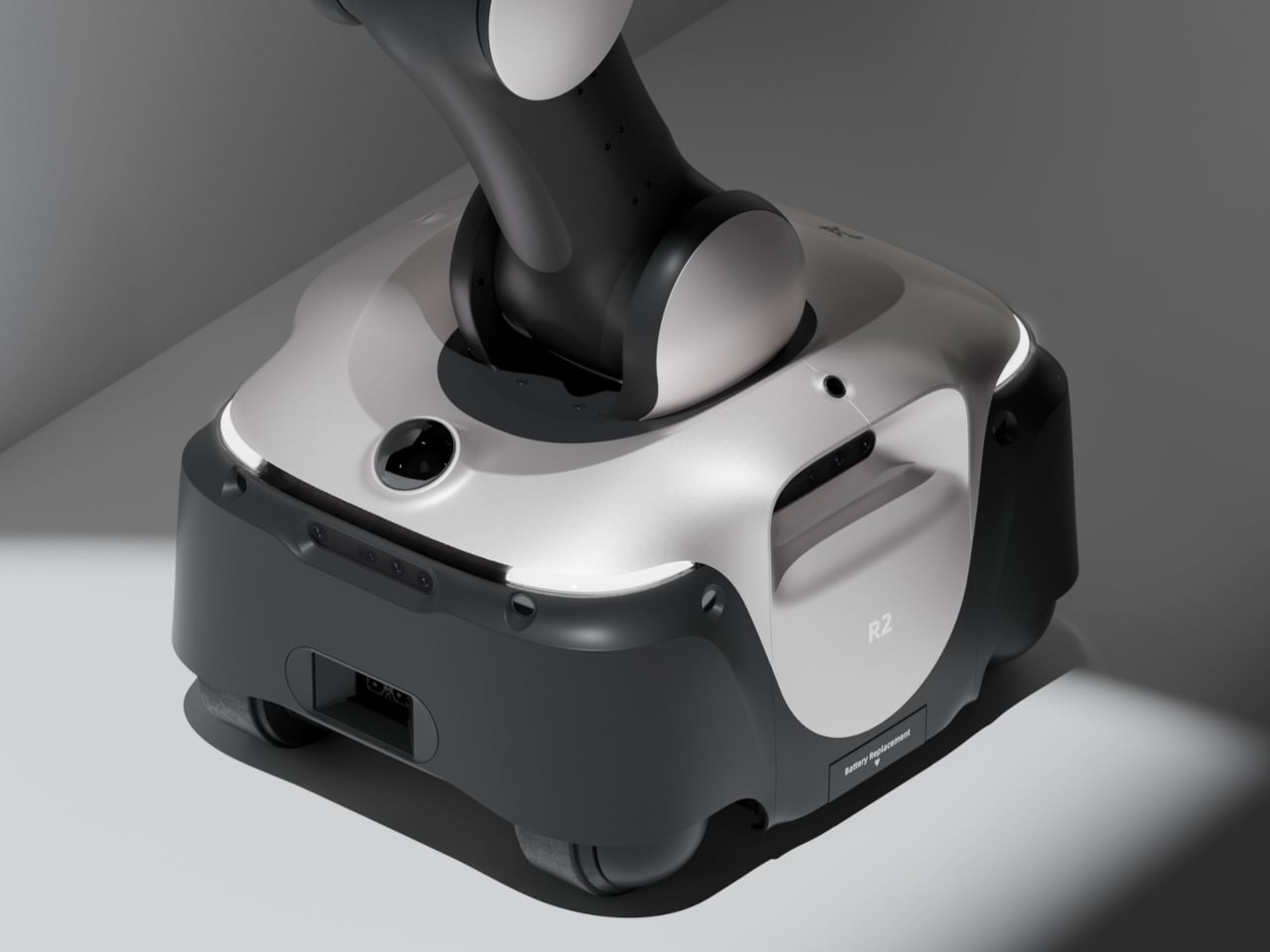
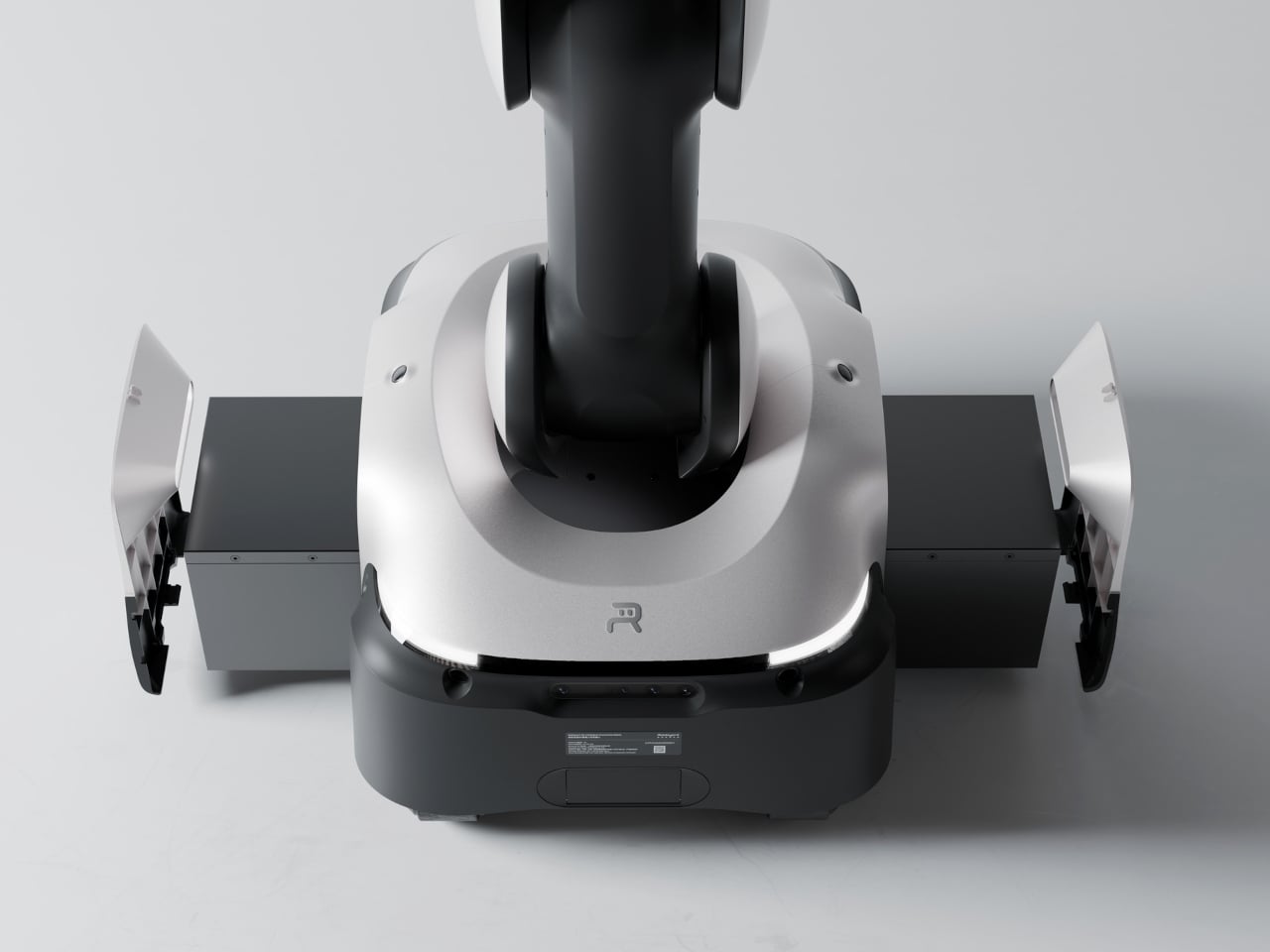
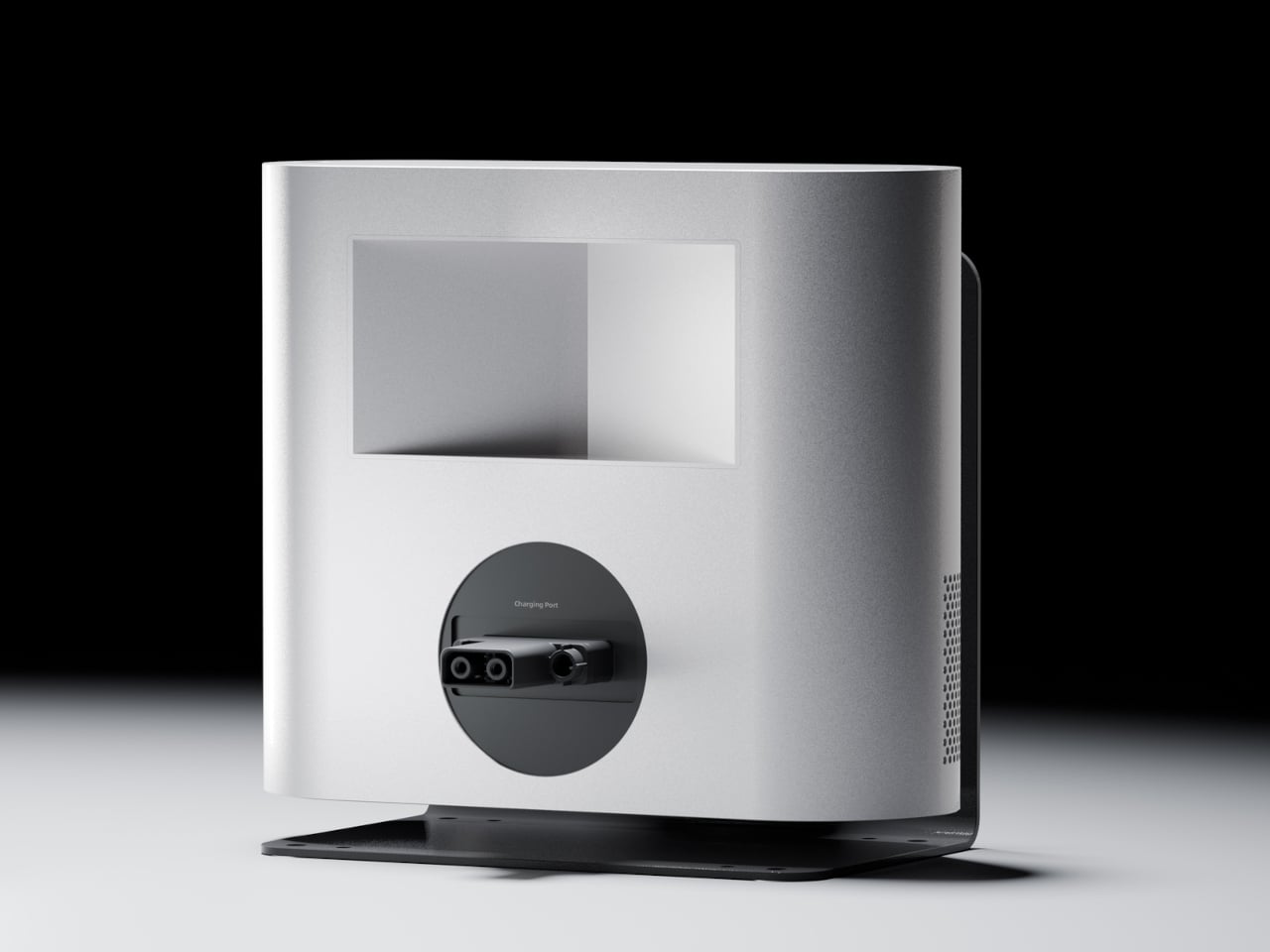
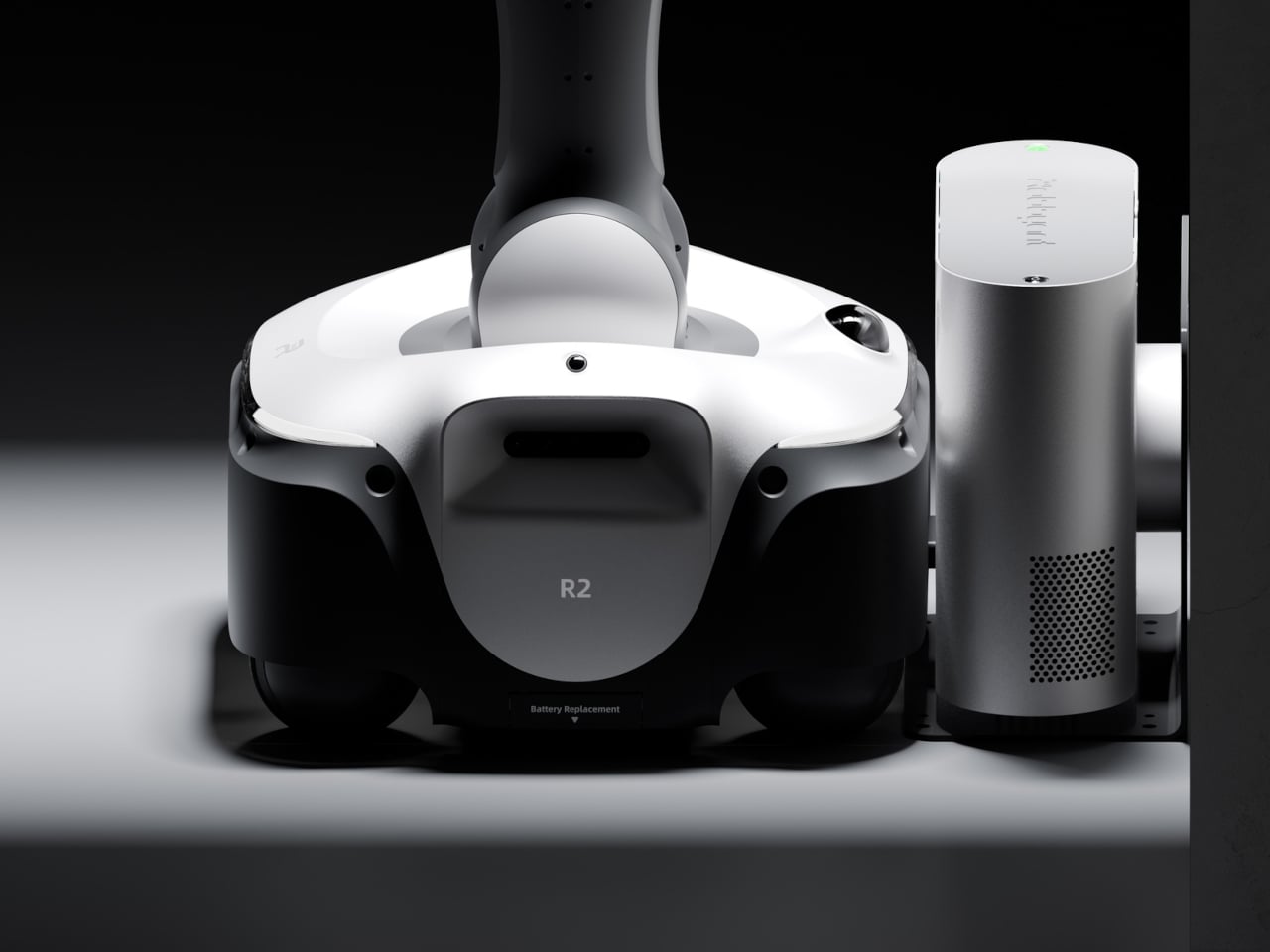
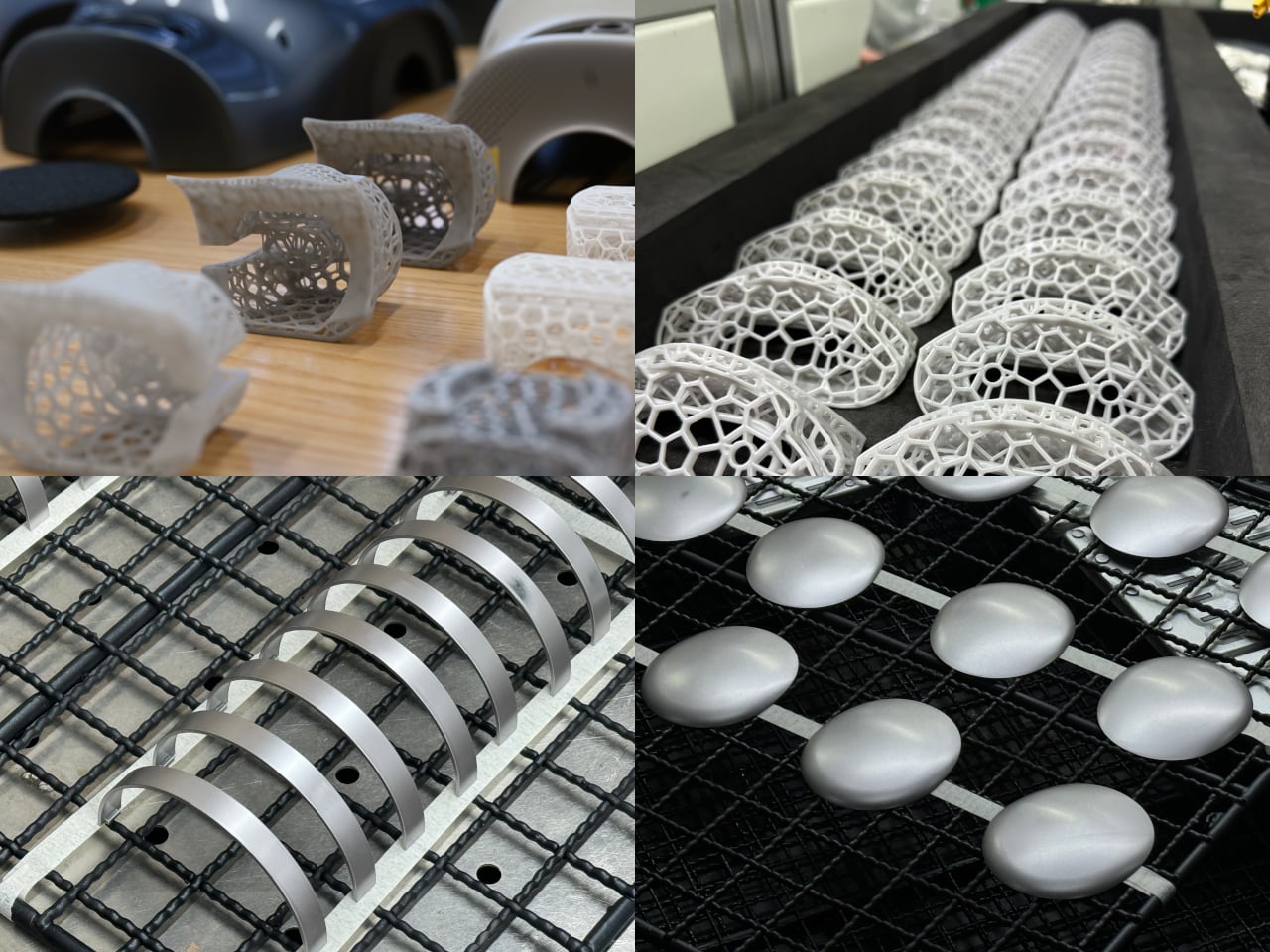
Safety is built into the physical structure rather than treated as an add-on. Flexible anti-pinch joints along the body and arms prevent fingers or objects from getting caught in moving parts without slowing autonomous operation. A honeycomb structure across the chassis handles impact buffering and heat dissipation simultaneously, and automatic locking brakes engage in emergencies to stop the robot before a situation can escalate into something worse.
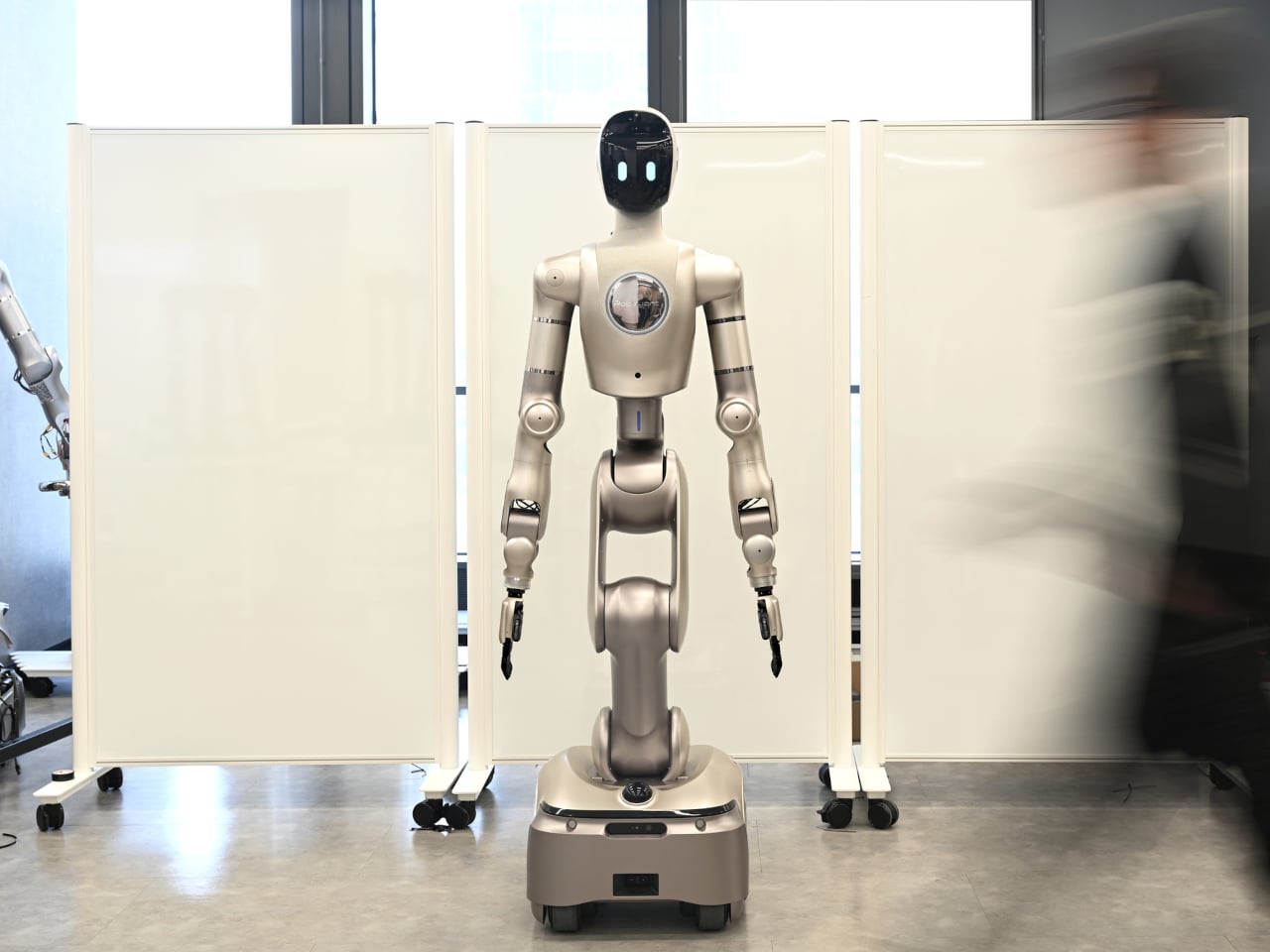
The chest houses a modular interaction platform that changes R2’s function depending on where it’s deployed. Slotting in screens, NFC readers, barcode scanners, or lighting modules lets the same hardware shift between home service, retail, and industrial settings without structural changes. Replacing individual modules instead of the entire unit keeps ownership costs lower over time and reduces the amount of electronics that gets discarded when requirements change.

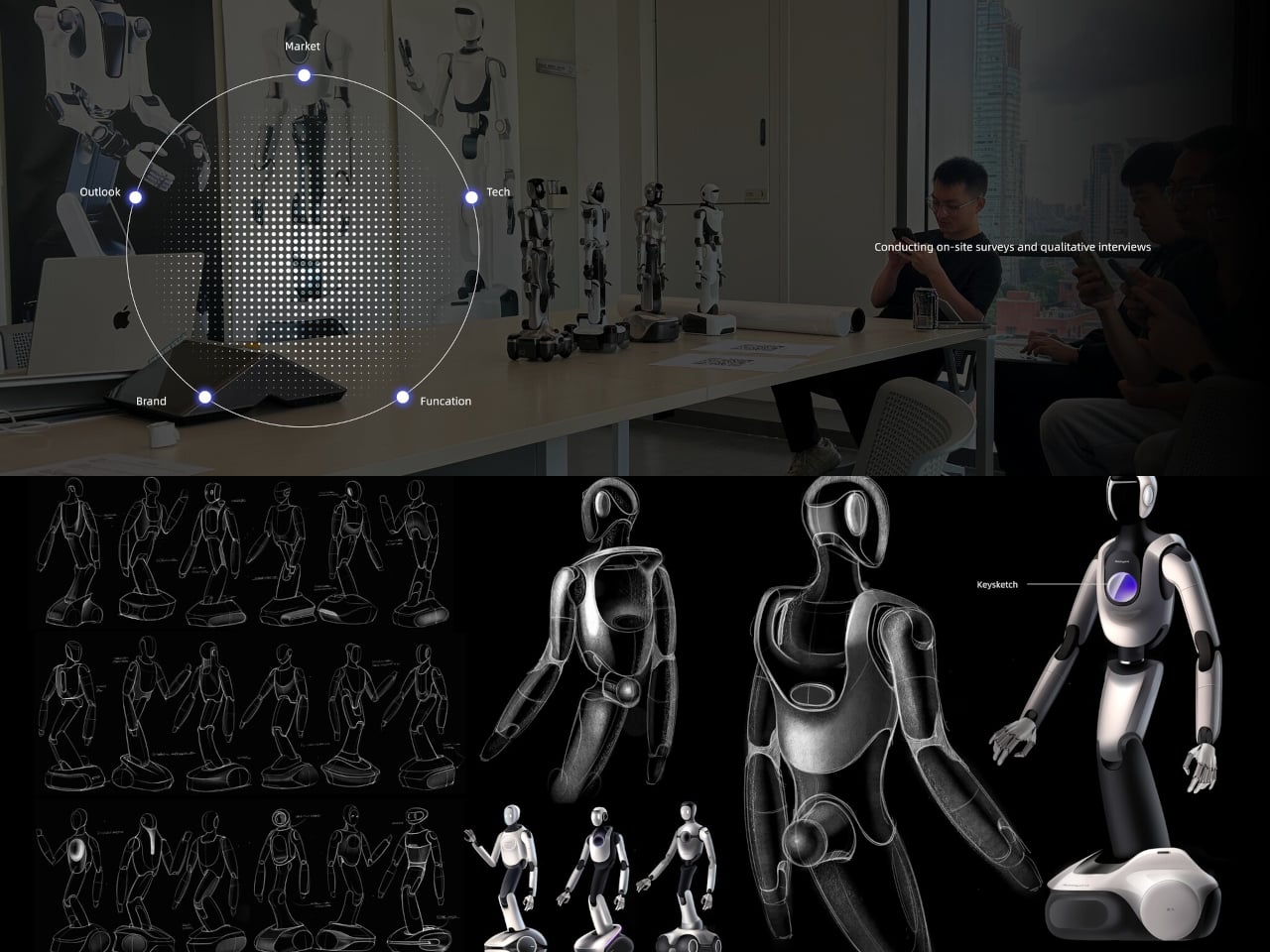
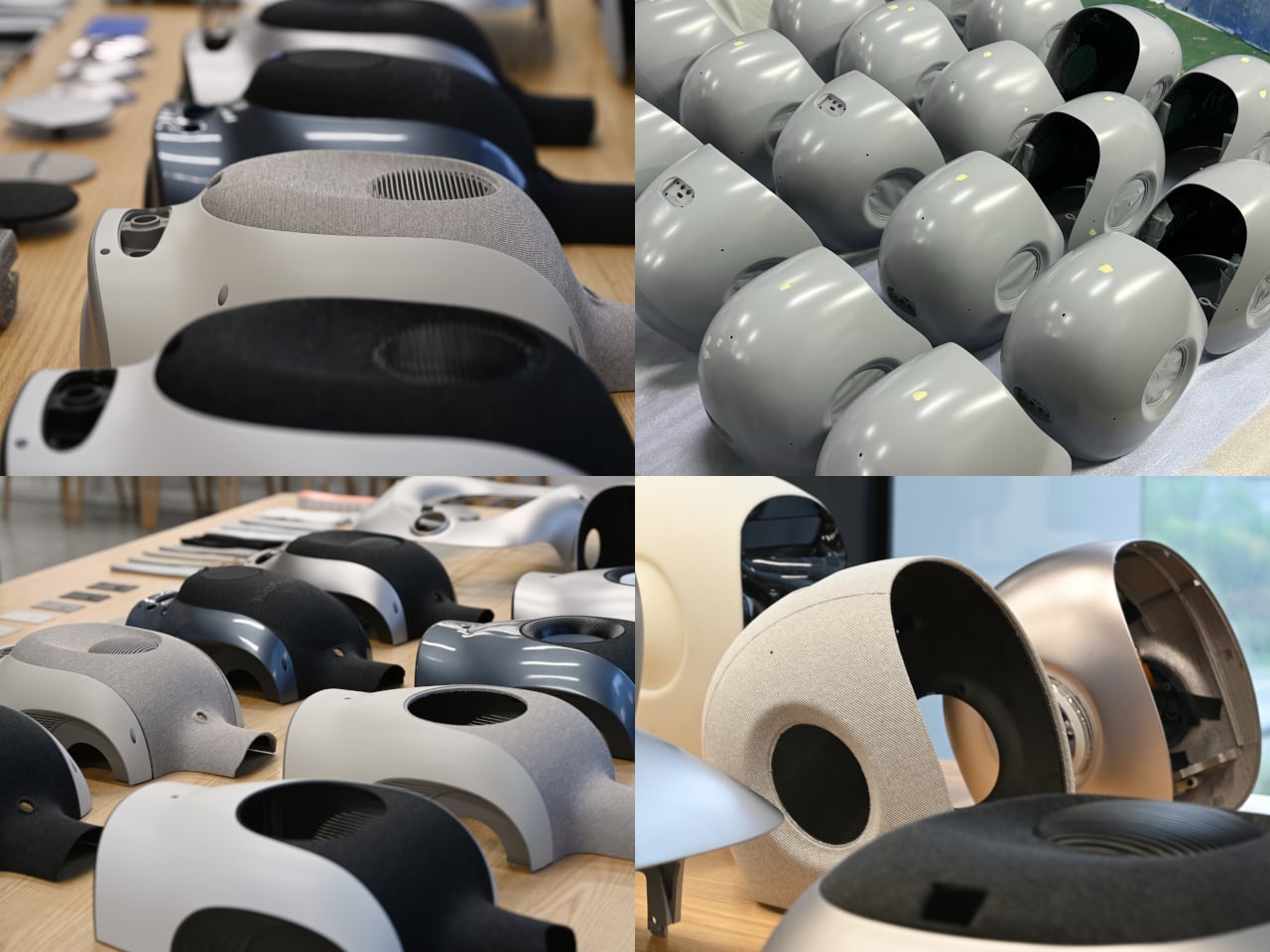
The structural logic extends to manufacturing efficiency. A symmetrical body design cuts the number of molds required in half, reducing material waste and production overhead from the start. The signature Mocha Whisper finish, soft fabric accents, and warm CMF palette give R2 a noticeably different presence from the plain white industrial shells that most service robots wear, making it less intrusive in home and retail environments where aesthetics matter.


JC Torres
If you liked the article, do not forget to share it with your friends. Follow us on Google News too, click on the star and choose us from your favorites.
If you want to read more like this article, you can visit our Technology category.