
Table of Contents
18 months ago, pluggnb rapper Lil Shine was federally indicted for felony pharmaceutical fraud. The FADER caught up with Shine before and after his sentencing hearing for an exclusive interview.
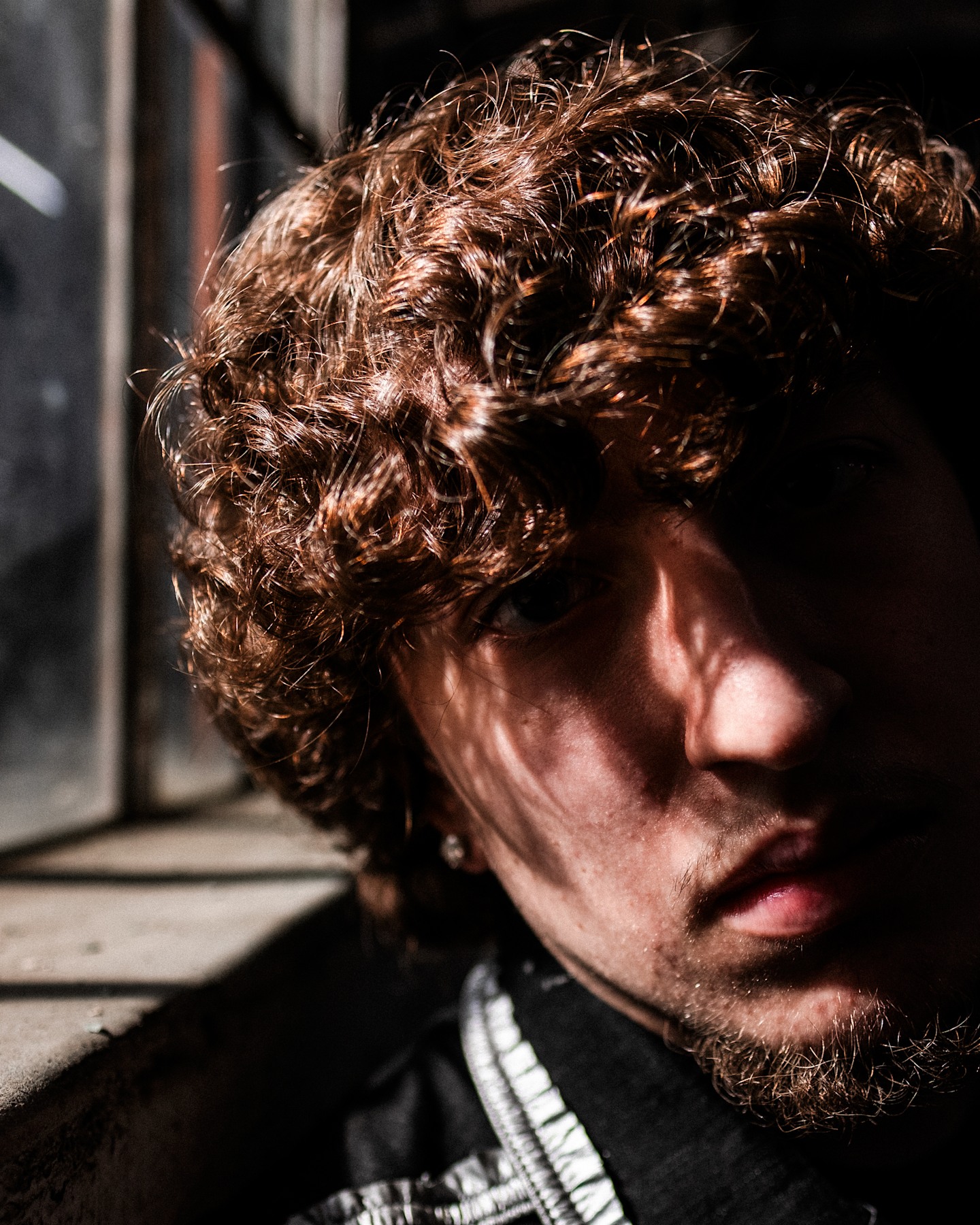
Lil Shine.
via the artist
It was the week before Christmas 2024.
19-year-old rapper Lil Shine had woken up to a government raid on his Minneapolis apartment. Later that afternoon, his lawyer called: Shine was being indicted. Along with two co-defendants, he was facing federal charges of conspiracy and fraud to obtain controlled substances, in this case promethezine with codeine. But Shine alone faced an additional 11 counts of wire fraud, three counts of accessing a protected computer in furtherance of fraud, and four counts of aggravated identity theft.
Now 21, Shine is facing mandatory minimums that will send him to federal prison for at least two years, if not longer. The case couldn’t come at a worse time: after years toiling as a cult figure among the SoundCloud set, last January’s Shine Forever, released just weeks after his indictment, offered a poppier vision of Shine’s music, cleanly mixed and melodically focused. And though his new mixtape Get Rich Or Die Sippin’ dropped the same day as Drake’s triple album blitz, Shine has never been more popular, managing to make the Top 10 rap albums on Spotify for the week of May 15.
“I’m always picky, but with this one specifically, I wanted it to be really good because there’s a high chance that this is the last large body of work that I release before I go to prison,” Shine tells me over the phone on April 29. “I just wanted it to be perfect and push me up to the next level.”
He’s calling me from his Minneapolis apartment, sitting on the same couch where he records, mixes, and masters nearly all of his music, a melodic strain of underground rap known as pluggnb that takes equal inspiration from MexikoDro and Aaliyah. His sentencing hearing was set for Tuesday, May 19, but despite the circumstances, Shine was remarkably composed, never slipping into bitterness or self-pity over the course of our hour-long 1-on-1 without a manager, or lawyer. He’s also more candid than I anticipated, even telling me that he got engaged last year, though he cuts my line of questioning when I ask how long he’s known his fiancée.
“Honestly, I kind of expected it,” Shine says of the December 2024 raid. “It wasn’t out of the blue.” The feds had initially raided his apartment in August of 2023; a few days later Shine received a target letter in the mail, a notice that he was under federal investigation, though the letter didn’t say what for. By the following winter, “It had been so long since I got that letter, I kind of forgot about it.”
Since it was a nonviolent crime, and Shine’s first felony offense, he was granted pretrial release on a signature bond. While his lawyers worked on the case, the rapper was free to live his life almost the same way he had before – only now with the looming specter of prison time slowly creeping up on him.
“The feds have a really high conviction rate, and that’s just because 99% of people plead out,” Shine tells me over the phone 18 months later. “They always throw the book at you immediately, that’s how it works. Usually in the end, you end up pleading out to three to five charges, depending on your case.”
Three months before our first call, on January 20, 2026, Lil Shine entered a guilty plea for one count each of conspiracy to obtain controlled substances by fraud, accessing a protected computer in furtherance of fraud, and aggravated identity theft. While that’s far less than the double-digits charges on the initial indictment, the guilty plea meant a mandatory minimum sentence that would send Shine to prison for years.
“My expectations are pretty broad. With those charges, the guidelines are kind of freaky,” Shine told me ahead of sentencing. The charge of aggravated identity theft meant two years for sure, but the length of his sentence was ultimately up to the judge’s discretion. “I’m not exactly sure what’s going to happen; they could give me a total of six years for everything, but I don’t know what the chances are. I just have to wait and see.”
Shine’s case, in plain English: The United States government was accusing Lil Shine of hacking the Drug Enforcement Administration to fraudulently obtain promethazine with codeine, the primary opioid used in lean/drank. According to public court documents, Shine and his codefendants Rayjaun Keon Varner and Oscar Becerra-Ruiz used paid online search services to access personal information for licensed doctors in Minnesota and Wisconsin. The trio then used that information to alter contact information for multiple physicians in the DEA’s secure online ordering platform, and subsequently placed wholesale orders for pharmaceutical grade cough syrup using prepaid debit cards and payment accounts associated with the physicians’ names.
Over a nine month period from December 2022 to August 2023, when Shine was first raided, the trio fraudulently obtained at least 300 pints of promethazine with codeine, with a total value of approximately $750,000 ($2,500 per bottle). The trio allegedly then sold the pints across the United States. At the time, Lil Shine was 17 years old.

Lil Shine was born Jasper William Johnson on February 18, 2005, at North Memorial Hospital in Robbinsdale, Minnesota, just northwest of Minneapolis. His father worked a white collar corporate job and his mother was a hairstylist; they divorced when Shine was three. Growing up, Shine recalls his parents playing a lot of rock and 80’s music, specifically Led Zeppelin and Journey. Shine also grew up an avid Michael Jackson fan, saying the pop star was a major melodic influence. He also got into skating and snowboarding at an early age, and fell in love with SoundCloud rap through editing skate clips.
“It was always a competition of who could find the most niche song to put in their edit,” Shine says. “Everyone around me was using plugg music, and I realized pretty fast that I had an ear for that sound.”
Shine started with YouTube production tutorials, but quickly “wanted to start recording.” Looking back on his early music, Shine says he can’t point to anything specific he did to develop his sound, explaining, “Because I started making music so young, the biggest part of my growth was simply understanding how the industry works, and also learning how to incorporate my real life experiences into my music.”
In the late 2010s, Lil Shine collaborated with various SoundCloud groups, from the Internet-only Kuso Collective and Pretty Boy Clique to the more well-known Reptilian Club Boyz. He says he wasn’t personally close with any of those crews, they were more like social media friends, but the heightened visibility and his burgeoning musical skills helped Shine to outgrow his past image, if only a little.
Though Shine’s music isn’t overtly deep or diaristic, his songs glow with feeling. Boilerplate trap tropes aside, his pure-toned vocals turn incandescent when Shine sings about romance. Even when those starry-eyed lyrics cohabit with aurafarming flextalk, Shine’s euphoric emotions are shot through with anxiety and longing. Still, Get Rich Or Die Sippin’ can be frustratingly thoughtless at times, particularly with Shine’s semi-frequent pejorative use of “gay” and “r*tarded.” That might be par for the course in hip-hop, but it forces listeners to focus on Shine’s most boneheaded lyrics instead of his soaring falsetto, unnecessarily tainting some of his strongest melodic work to date.
But the mixtape also showcases legitimate vulnerability, lovestruck ballads and earnest pleas for affection. When I ask how Shine balances that sweet talk with more typical raps about Dracos and Wockhardt, he chalks it up to getting older and having more experiences with women, as well as his appreciation for the “roller coaster” emotions of R&B.
One topic Shine hasn’t touched on wax is his federal indictment. The second time we talk on May 22, just days after his sentencing hearing, he explains that the gravity of the situation simply hadn’t settled in enough for it to show up in his music.
“I’ve been out on pretrial release for so long that it kind of started to feel like I’m never gonna go to jail,” Shine says ruefully. “That reality is just now smacking me in the face this past week.”
Following Shine’s guilty plea, both his lawyers and U.S. attorneys entered sentencing recommendations. In a letter to the court, Shine’s lawyers detailed Shine’s history of mental health issues and his struggles with autism, anxiety, depression, and ADHD. The 20-page memo traces Shine’s childhood through his early rap career, essentially arguing that Shine turned to pharmaceutical fraud as a way to be accepted by more established rappers who would otherwise dismiss him for his age, race, or geeky appearance. The document also alleges that Shine was “a product of a broken home,” and abused by older children when he was young.
When I ask Shine if the contents of that document are accurate, he demurs. “I would say to a certain extent, but I would also say that things were overexaggerated and stretched for the purpose of court use. I think I can freely say that now that sentencing is over, but the struggles with mental health are definitely a reality for me. That would be the one thing on there that I would say is 100% spot on, but I can’t really speak on any of the other things.”
The morning of Tuesday, May 19, Lil Shine woke up and got ready. He put on his suit, purchased after the indictment, and met up with his lawyer at the courthouse.
“They had me stand up and apologize and make my final remarks before sentencing. My lawyer and the prosecutor exchanged their thoughts on the sentencing to the judge,” Shine recalls. The now-21-year-old faced a minimum of 24 and a maximum of 72 months in prison. After his hearing, he found out that the government had recommended a cap of 42 months, or 3.5 years – “I didn’t even know that until my fans leaked a court document.”
So the ultimate verdict of 36 months, or three years, offered some modicum of comfort. “I’m happy with the outcome compared to what I could have gotten time-wise,” says Shine. He says he’s glad his co-defendants received lighter sentences, adding that the disparity in terms has more to do with the court’s judgment than anything else.
Lil Shine is set to turn himself in on July 28, with a small tour in the works for the summer, with shows in New York City and Los Angeles already getting upgraded to larger venues. Shine doesn’t really care about performing, “but you know I care about the fans, so it needs to happen.”
In the weeks between our conversations, and those after, I watch Shine post beautiful lake pictures and snippets of new music on Instagram stories, perhaps savoring his last moments of pleasant normalcy. On X, I see people cherrypick excerpts from his court docs to make fun of Shine’s lawyers, and thinly-veiled “jokes” about his impending suffering behind bars, commentary that feels not just callous, but unnecessarily cruel.
Whatever you make of Shine as an artist or a now-convicted felon, he will spend the next 1/8th of his life behind bars, away from his fiancée, his mother, and his two younger sisters. He entered a life of non-violent crime before he could vote, and pled guilty to federal charges before he could legally buy a beer. He’s a young adult responsible for his actions – but he’s also young. There’s a distinction between believing someone deserves what’s coming to them and reveling in it.
When we speak the week after his sentencing, I ask how he’s planning to spend his final months as a free man. His answer strikes me as balanced but ambitious, conscious of the very real challenges ahead but focused on those things still in his control.
“I’m obviously going to be spending as much time with my family and friends as possible, but I’m also very focused on my career,” says Lil Shine. “I want to make sure that I come out bigger than I am now.”

If you liked the article, do not forget to share it with your friends. Follow us on Google News too, click on the star and choose us from your favorites.
If you want to read more Like this articles, you can visit our Social Media category.