Table of Contents
Judge rules Google maintained an illegal ad tech monopoly through anticompetitive practices that ‘substantially harmed’ users and publishers.
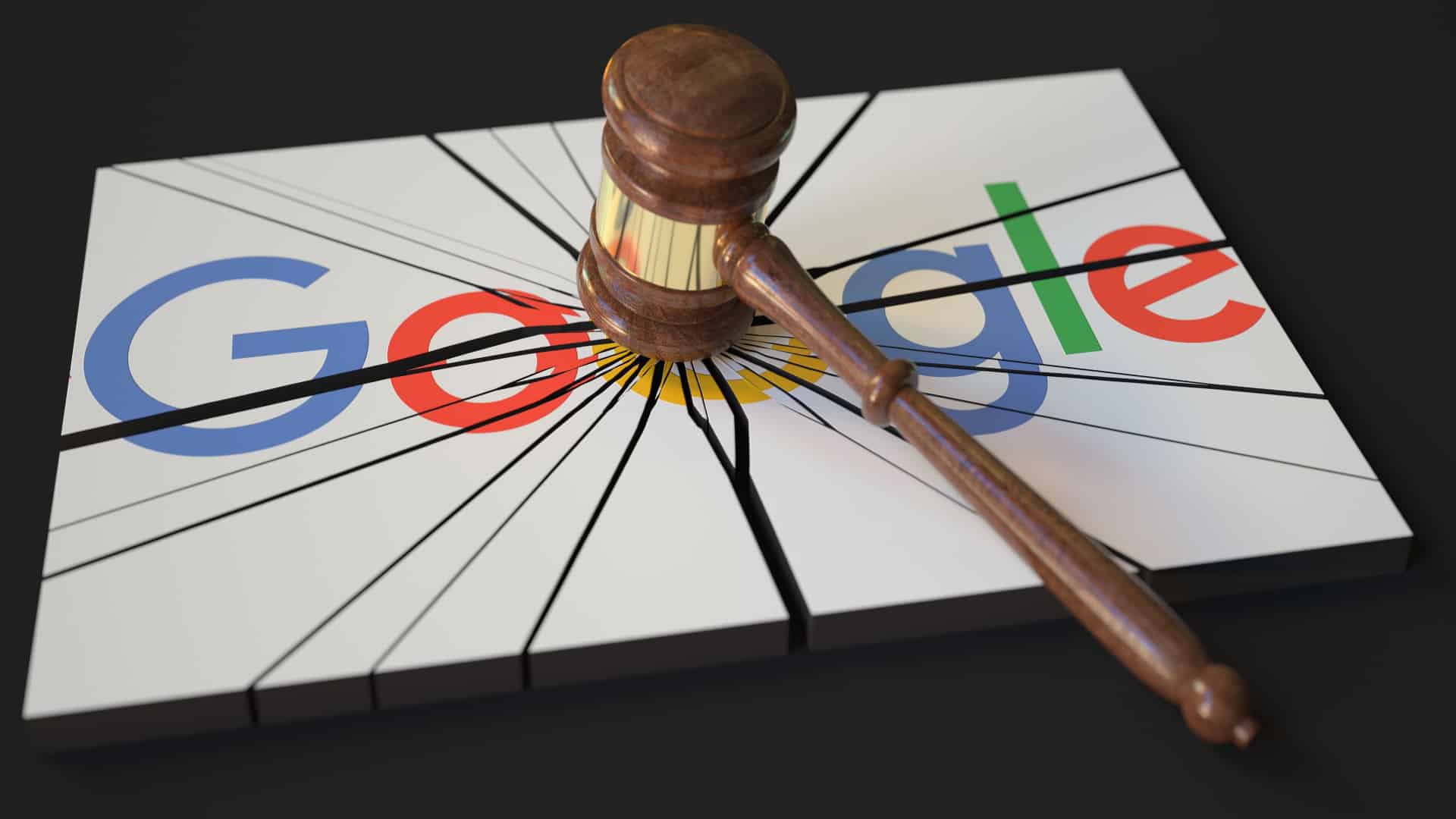
The US Department of Justice successfully prosecuted its antitrust case against Google, with Judge Leonie Brinkema ruling that the company operated an illegal monopoly in the advertising technology industry.
After a three-week trial, the court determined that Google engaged in anticompetitive practices that allowed it to dominate critical components of the digital ad market for more than a decade.
The details:
- U.S. District Judge Leonie Brinkema ruled that Google “willfully engaged in anticompetitive acts” to control the publisher ad server and ad exchange markets.
- The court found Google illegally tied its publisher ad server and ad exchange together through both contracts and technical integration.
- Google’s practices “substantially harmed” publishers and users across the web, according to the ruling.
Why we care. This marks Google’s second significant antitrust defeat after losing its search monopoly case earlier. The ruling could fundamentally reshape how digital advertising operates across the internet.
Between the lines. The DOJ successfully argued that Google monopolized three separate markets in the ad tech space: publisher ad tools, advertiser ad networks, and the ad exchanges facilitating transactions between them.
The government’s case centered on how Google’s dominance allowed it to extract monopoly profits from publishers and advertisers while eliminating viable alternatives.
The other side. Google released an official response on X, saying some of their tools don’t harm competition and that they disagree with the Court’s decision:
- “We won half of this case and we will appeal the other half. The Court found that our advertiser tools and our acquisitions, such as DoubleClick, don’t harm competition. We disagree with the Court’s decision regarding our publisher tools. Publishers have many options and they choose Google because our ad tech tools are simple, affordable and effective.”
Google also defended itself by claiming the government’s market definitions were contrived and didn’t reflect reality. The company argued its integrated tools benefited consumers and had legitimate business justifications.
What’s next. This ruling comes as Google and the DOJ prepare for the remedies phase of the separate search monopoly case, where the government has proposed breaking up Google by spinning off Chrome and forcing it to syndicate search results.
The court will now need to determine appropriate remedies for Google’s ad tech monopoly violations, which could potentially involve structural changes to its advertising business.
About the author
Anu Adegbola has been Paid Media Editor of Search Engine Land since 2024. She covers paid search, paid social, retail media, video and more.
In 2008, Anu’s career started with delivering digital marketing campaigns (mostly but not exclusively Paid Search) by building strategies, maximising ROI, automating repetitive processes and bringing efficiency from every part of marketing departments through inspiring leadership both on agency, client and marketing tech side.
If you liked the article, do not forget to share it with your friends. Follow us on Google News too, click on the star and choose us from your favorites.
If you want to read more like this article, you can visit our Technology category.